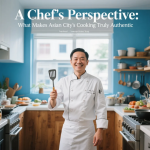

From bustling night markets to contemporary fusion bistros, food has always been a universal language across Asia. Asian City, a vibrant multicultural hub, embodies this spirit with remarkable depth—bringing together people, stories, and traditions through one of humanity’s most timeless joys: eating.
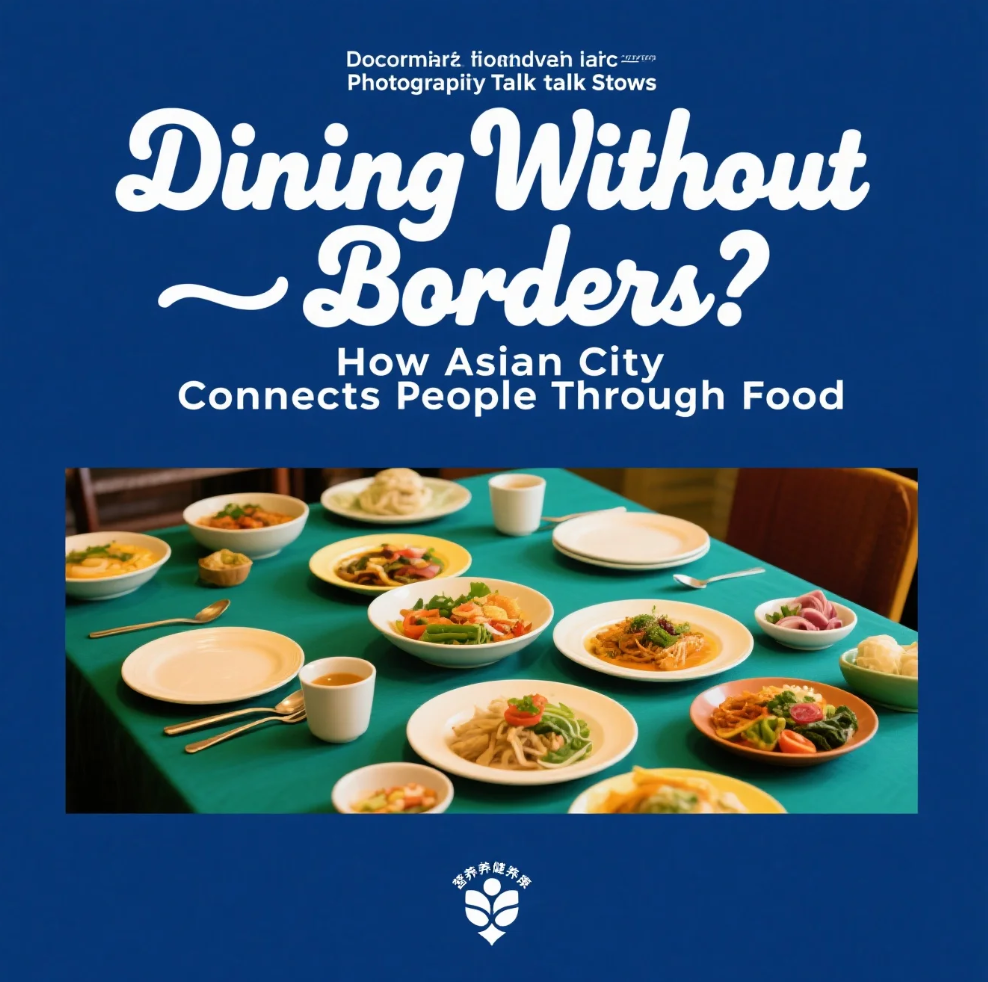
This is how Asian City connects people through food, creating a dining experience without borders.
1. A Melting Pot of Cuisines Under One Skyline
Asian City thrives on culinary diversity, offering everything from Southeast Asian street eats to modern East Asian fusion. Visitors can find:
- Thai curries and wok-fried noodles
- Japanese ramen and izakaya-style bites
- Korean BBQ and kimchi classics
- Chinese dim sum, hot pot, and regional specialties
- Filipino comfort bowls
- Indian spices and tandoor dishes
The city’s food scene encourages people to explore cultures they may have never encountered—through flavors that transcend language and geography.
2. Markets and Food Courts That Bring Communities Together
Communal dining is at the heart of Asian City. Local food courts, night bazaars, and shared table setups allow strangers to sit side by side, sparking:
- Conversations between diverse cultural groups
- Exchanges of recipe stories and traditions
- Shared appreciation for regional ingredients
Here, food is more than a meal—it’s a social connector.
3. Fusion Cuisine as a Symbol of Cultural Harmony
Asian City has become a playground for chefs experimenting with bold fusion concepts, blending traditions to create something new.
Think:
- Kimchi tacos
- Matcha-infused pastries
- Laksa pasta
- Ramen burgers
- Mango sticky rice donuts
These dishes reflect the city’s spirit—cultures blending without losing their roots, and creativity flourishing through culinary harmony.
4. Festivals and Events That Celebrate Unity
From annual Asian Food Weeks to street food festivals, Asian City hosts events designed to bring people together. These gatherings feature:
- Live cooking demos
- Cultural performances
- Collaborative chef pop-ups
- Interactive tastings
- Heritage storytelling sessions
Each event becomes a platform for shared celebration, reminding visitors that food is a bridge—not a boundary.
5. Restaurants Led by Family Traditions and Personal Stories
Many eateries in Asian City are run by families or first-generation migrants who bring authentic flavors from home. Their stories—of resilience, identity, and heritage—add emotional richness to the dining experience.
When people dine at these establishments, they aren’t just tasting a dish—they’re experiencing a piece of someone’s cultural journey.
6. Food as a Gateway to Understanding Culture
Whether it’s learning the etiquette of shared plates, discovering regional history through spices, or observing how traditions shape cooking styles, diners are constantly exposed to cultural insights.
In Asian City, every bowl, plate, and skewer carries a story, teaching guests about the people and customs behind the cuisine.
Conclusion
Asian City proves that food is more than nutrition—it’s a connection to others. Through diverse culinary offerings, communal dining spaces, fusion creativity, and cultural traditions, Asian City connects people through food in a way that feels warm, inclusive, and deeply human.
In a world often divided by differences, this city’s dining culture offers a simple reminder: we can always find common ground around a shared table.