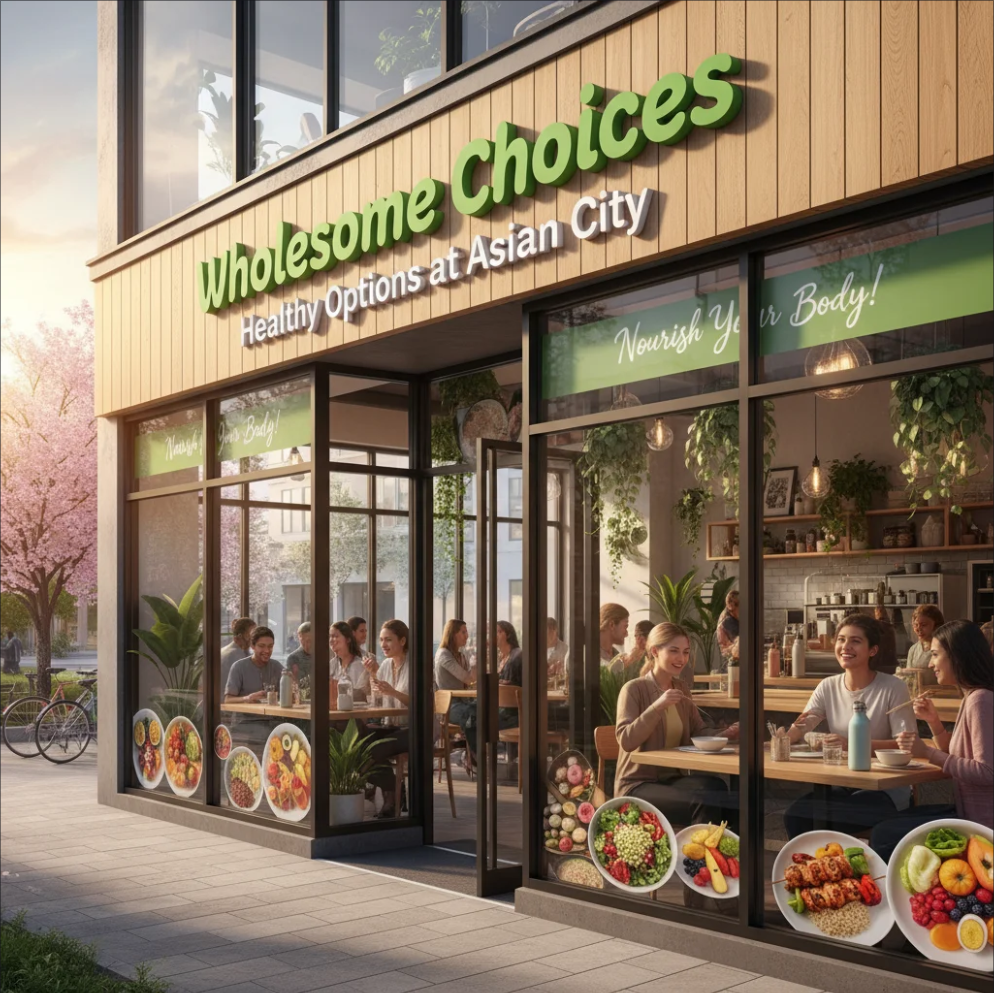



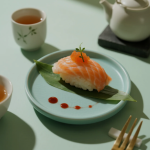





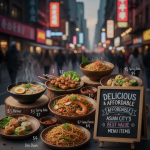
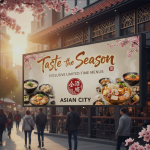





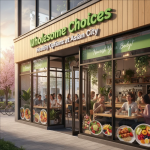
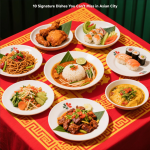
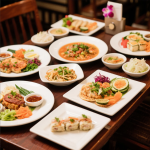

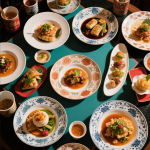
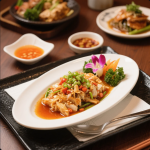
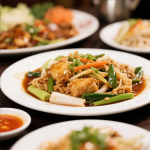
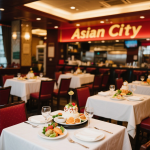
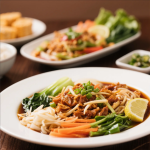
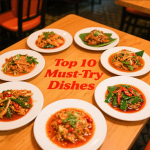
A beautifully arranged table of healthy Asian dishes—fresh spring rolls, grilled salmon, steamed vegetables, and green tea.

Wholesome Choices: Healthy Options at Asian City

Asian cuisine is often celebrated for its bold flavors, diverse ingredients, and cultural richness. At Asian City, food lovers don’t just get to enjoy delicious dishes—they also have the opportunity to make healthier choices without compromising taste. From light appetizers to nutrient-rich mains, Asian City offers a variety of options for those who want both flavor and wellness on their plates.

🥗 Fresh and Flavorful Starters

Begin your meal with light, wholesome starters. Choices like fresh spring rolls, miso soup, and steamed dumplings provide nourishment while keeping calories in check. These dishes highlight fresh vegetables, lean proteins, and minimal oil—perfect for a healthy beginning.


🍜 Nutritious Noodle and Rice Dishes

Noodle and rice dishes are at the heart of Asian cuisine, and at Asian City you’ll find healthier versions made with:

  • Brown rice or quinoa as alternatives to white rice
  • Whole-grain noodles that add fiber and nutrients
  • Plenty of fresh vegetables and herbs for balance

Options like stir-fried vegetables with tofu or pho with lean cuts of chicken offer both taste and nutrition.


🐟 Lean Proteins and Seafood

Asian City’s menu also features lean proteins such as grilled chicken, shrimp, and fish. Seafood-based dishes like salmon teriyaki or steamed fish with ginger provide healthy omega-3s and are prepared with light, flavorful seasonings.


🍵 Healthy Drinks and Sides

Pair your meal with wholesome drinks like green tea, herbal teas, or fresh fruit smoothies. For sides, steamed vegetables or edamame are great nutrient-packed options that complement your main dish.


✨ Eating Healthy Without Compromise

Asian City proves that choosing healthier meals doesn’t mean giving up flavor. With a wide variety of wholesome dishes, you can enjoy an authentic dining experience that’s both delicious and nourishing.

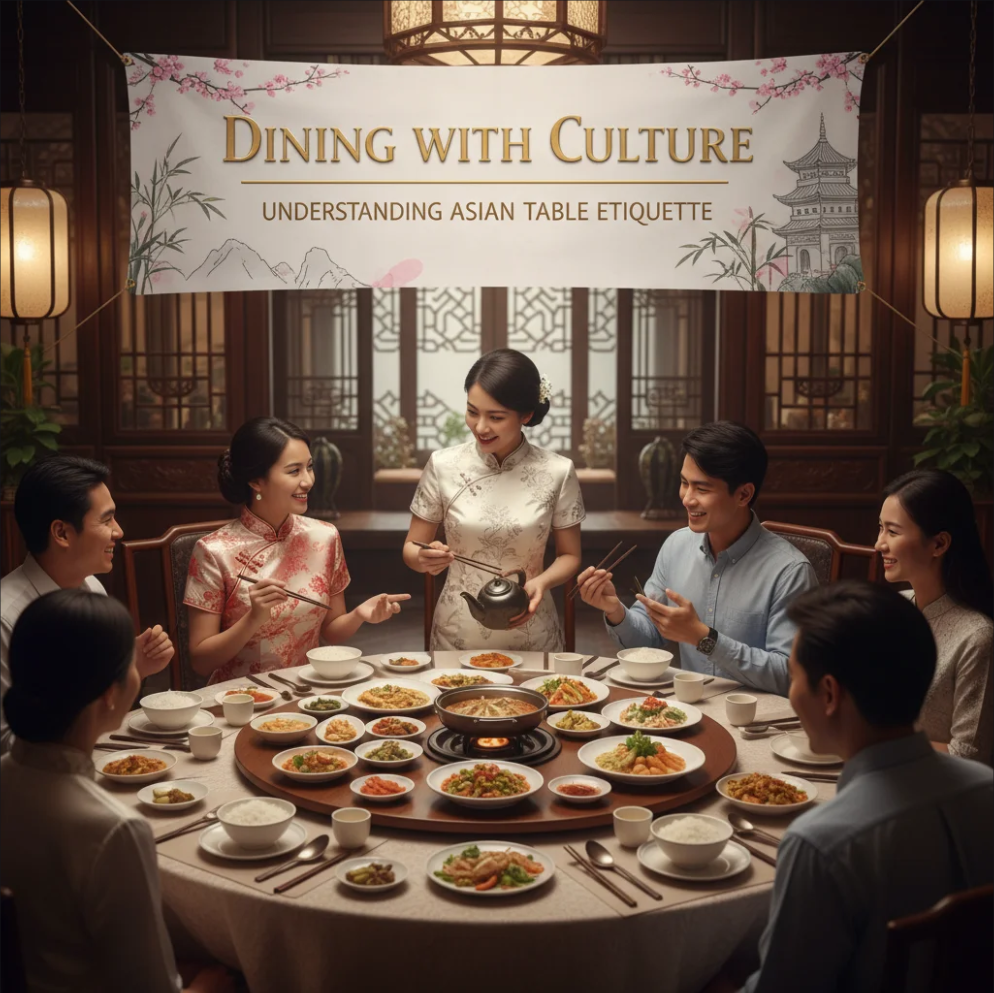
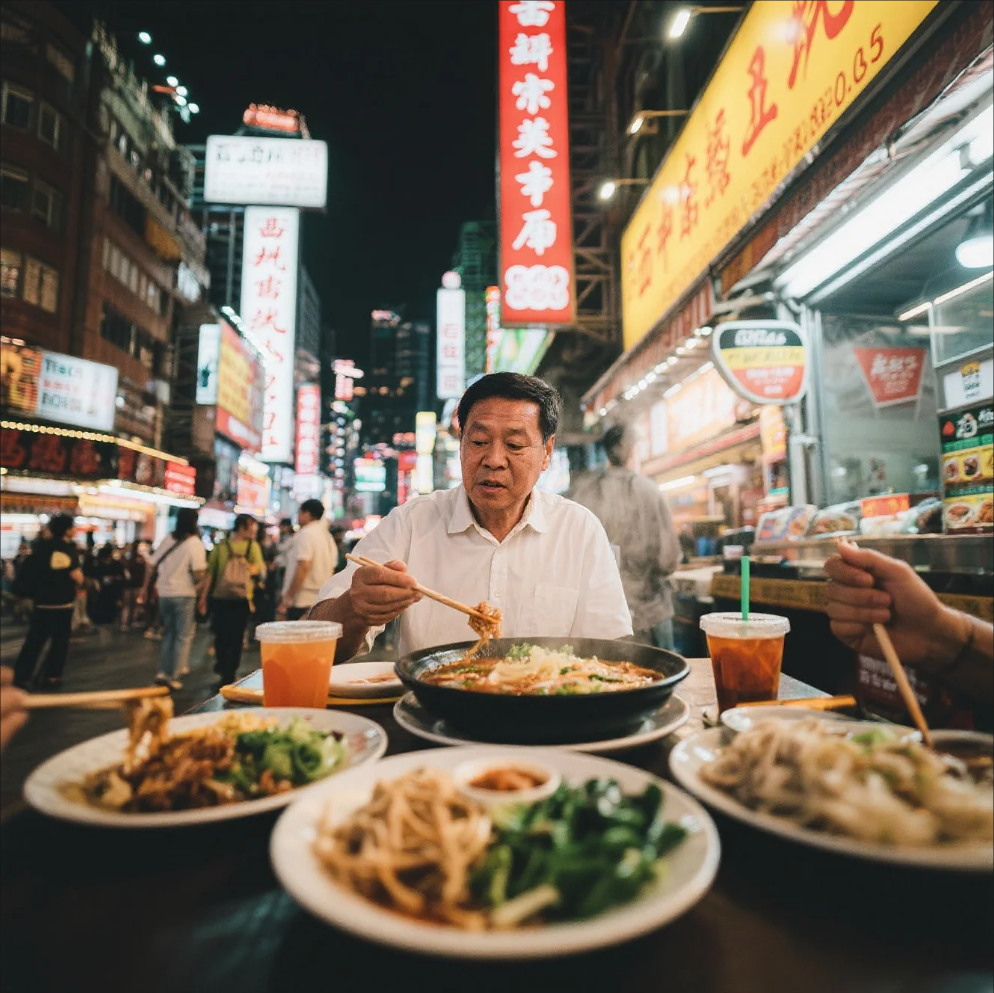
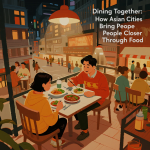
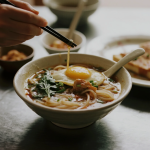
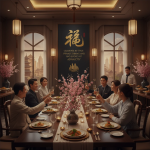
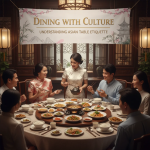
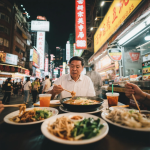
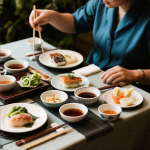
People dining together in Asia following traditional table manners

Dining with Culture: Understanding Asian Table Etiquette

Food is more than just sustenance—it’s a reflection of culture, tradition, and values. In Asia, dining goes far beyond eating; it is a social ritual, a sign of respect, and a symbol of harmony. Understanding Asian table etiquette not only enriches your culinary experiences but also shows appreciation for the deep cultural roots behind every meal. Whether you’re traveling across Asia or dining at an authentic restaurant in your hometown, knowing the dos and don’ts at the table can make all the difference.

🌏 Why Table Etiquette Matters in Asia

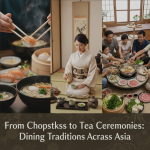
In many Asian countries, meals are a communal experience meant to bring people together. Manners at the table often reflect your character and upbringing. From chopstick placement in Japan to sharing dishes in China, each region has its own rules and meanings tied to food traditions.

Respecting these practices goes beyond politeness—it demonstrates cultural understanding and builds stronger connections.


🍜 Key Table Etiquette Across Asian Cultures

1. China: Sharing is Caring

  • Meals are usually served family-style, with multiple dishes shared among everyone.
  • Never stick chopsticks upright in rice—it resembles funeral rituals.
  • Always let elders start eating first as a sign of respect.

2. Japan: Precision and Politeness

  • Slurping noodles is not rude—it shows appreciation for the food.
  • Don’t pass food chopstick-to-chopstick, as it resembles funeral customs.
  • Bow slightly before beginning a meal and say “Itadakimasu” (I humbly receive).

3. Korea: Respect for Hierarchy

  • The eldest person at the table begins eating first.
  • Don’t lift your rice bowl like in China or Japan—keep it on the table.
  • Use both hands when pouring drinks for others, especially elders.

4. Thailand: The Art of the Spoon

  • The spoon is the main utensil; the fork is used only to push food onto it.
  • Avoid putting the fork directly into your mouth.
  • Showing gratitude to the cook or host is considered polite.

5. India: Eating with Hands

  • Traditionally, meals are eaten with the right hand only—the left is considered unclean.
  • Wash hands thoroughly before and after dining.
  • Sharing food is a common gesture of hospitality and bonding.

🎎 Cultural Significance of Dining Etiquette

Asian dining etiquette is deeply tied to respect, community, and tradition:

  • Respect for elders is seen in waiting for them to begin first.
  • Communal eating reflects harmony and equality.
  • Rituals and phrases of gratitude honor not only the cook but also nature and food itself.

🌟 Tips for Travelers and Food Lovers

  • Observe others at the table before starting.
  • When unsure, politely ask about local customs.
  • Show appreciation with phrases like “Thank you,” “Xie Xie” (China), “Arigato” (Japan), or “Khob Khun Krub/Ka” (Thailand).

Conclusion

Dining in Asia is more than just enjoying rich flavors—it’s about embracing traditions that have been passed down for centuries. By understanding and respecting Asian table etiquette, you can connect more deeply with the culture, show respect to your hosts, and fully immerse yourself in the dining experience.

So, the next time you sit down for an Asian meal, remember: every gesture at the table tells a story.


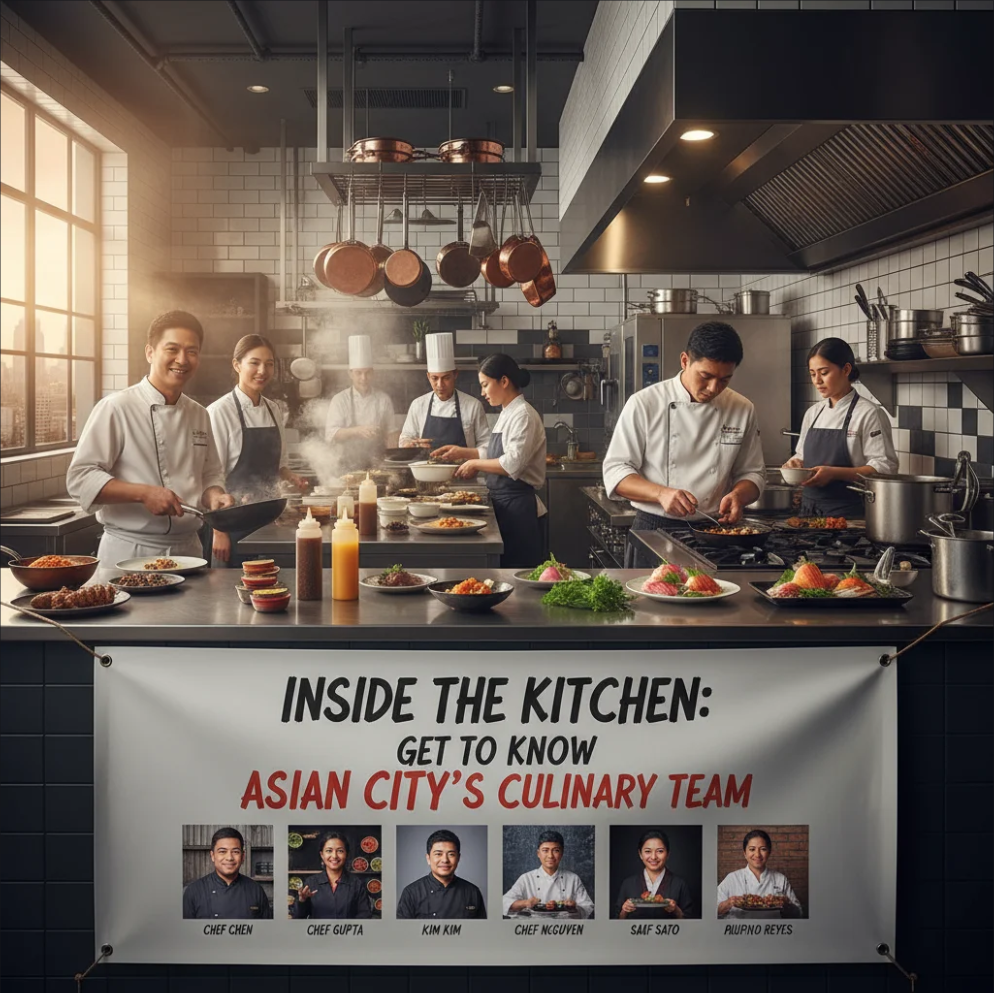
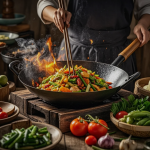
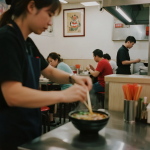
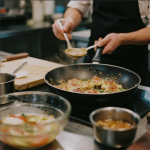
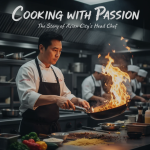
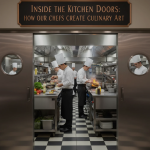
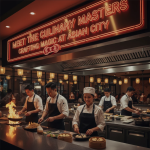
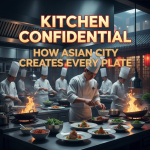
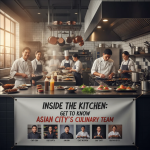
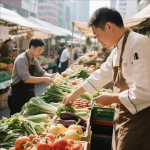
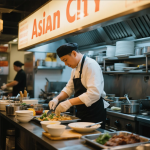
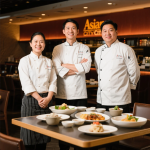
Chefs from Asian City restaurant preparing fresh Asian cuisine in the kitchen

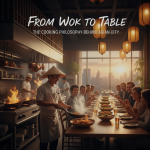
Inside the Kitchen: Get to Know Asian City’s Culinary Team

When dining at Asian City, guests often rave about the bold flavors, fresh ingredients, and unforgettable dishes. But behind every plate is a team of talented chefs and culinary artists who bring these creations to life. From traditional Asian recipes to modern twists, the culinary team at Asian City is the heart of the restaurant’s success. Let’s take a closer look at the people, passion, and philosophy that make every meal memorable.

👨‍🍳 Meet the Masters Behind the Flavors

Asian City’s kitchen is led by experienced chefs who have trained in various culinary traditions, from Chinese and Thai to Japanese and Vietnamese cuisine. Each chef brings unique expertise and personal flair, ensuring the menu offers both authentic classics and innovative fusions.

  • The Head Chef – Oversees the entire kitchen, curates the menu, and ensures every dish maintains the restaurant’s high standards.
  • Sous Chefs – Assist in menu development and supervise daily operations to keep the kitchen running smoothly.
  • Specialty Chefs – Experts in sushi, dim sum, or stir-fry who deliver authentic dishes that highlight regional techniques.
  • Pastry and Dessert Chefs – Craft the sweet endings that balance the savory dining experience.

🌱 Philosophy: Fresh, Local, and Authentic

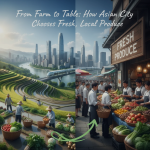
One of the team’s guiding principles is to use fresh, locally sourced ingredients whenever possible. This ensures every dish is not only flavorful but also supports local farmers and sustainable practices. Combined with authentic spices and traditional cooking methods, the culinary team creates meals that honor Asian heritage while appealing to modern tastes.


🔪 A Day in the Kitchen

From early morning prep to the late-night rush, the kitchen at Asian City runs like a well-orchestrated symphony. Each team member has a role, yet collaboration is at the core of their process.

  • Morning prep: Washing and cutting fresh produce, marinating meats, and preparing sauces.
  • Afternoon: Testing new recipes and refining presentations.
  • Evening service: Executing orders with precision and speed, ensuring guests receive the best dining experience.

The teamwork and dedication are evident in every plate that leaves the kitchen.


🌍 Blending Tradition and Innovation

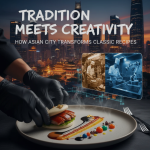
While many dishes at Asian City stay true to their cultural roots, the culinary team also experiments with fusion cuisine—combining flavors from different Asian regions or adding a modern twist to classics. This approach keeps the menu dynamic, offering guests something new alongside beloved favorites.


🍴 Why It Matters to Guests

Knowing the story behind the food adds another layer to the dining experience. Guests don’t just enjoy delicious meals—they connect with the passion, creativity, and culture of the chefs who prepare them. This personal connection is what makes dining at Asian City more than just a meal—it’s an experience.


Conclusion

Behind every unforgettable dish at Asian City is a dedicated culinary team working tirelessly to deliver excellence. Their passion for food, commitment to authenticity, and willingness to innovate make the restaurant a true standout. Next time you dine at Asian City, remember that every bite tells a story crafted by the chefs inside the kitchen.

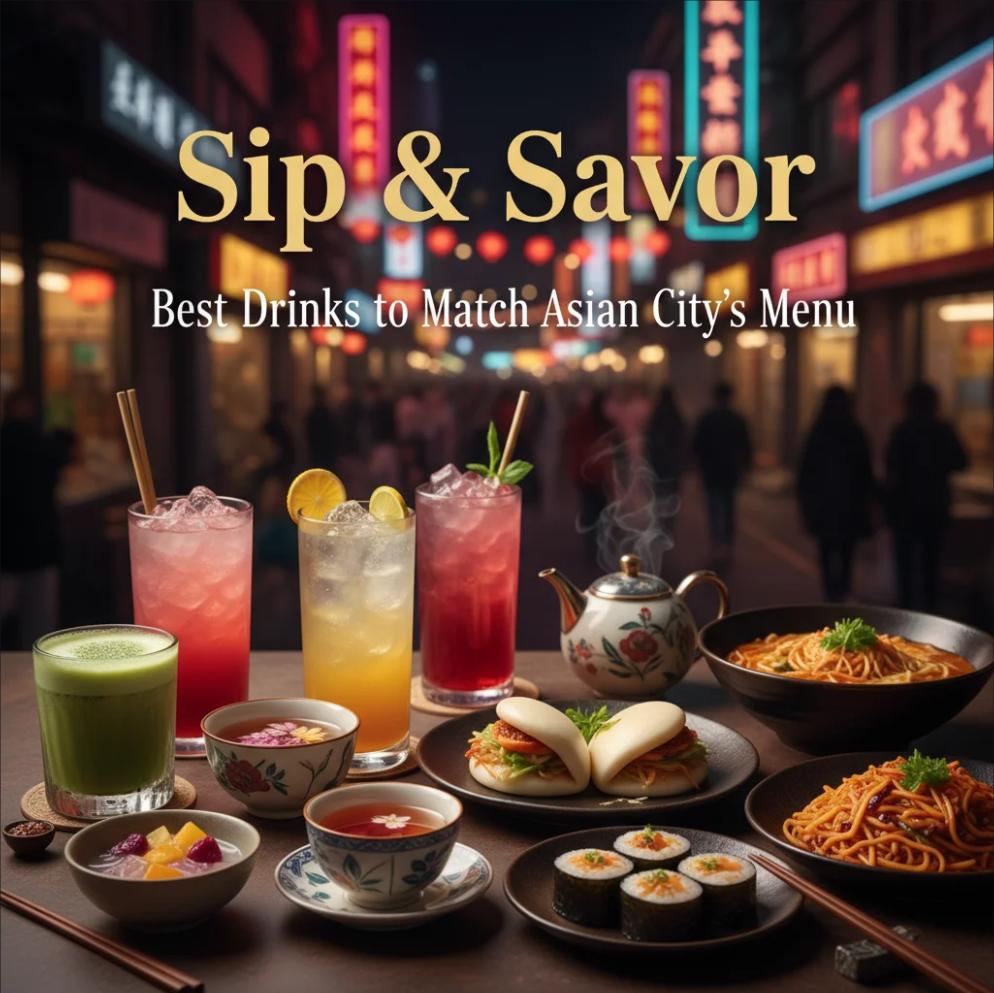
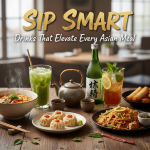
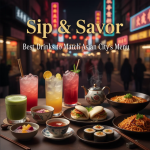
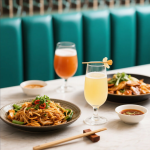
Glass of wine and cocktails paired with Asian City dishes

Sip & Savor: Best Drinks to Match Asian City’s Menu

Food and drinks are meant to go hand in hand. At Asian City Restaurant, every dish tells a story—rich flavors, bold spices, and delicate balance. But what makes a great meal unforgettable is the perfect drink pairing. From crisp wines to exotic teas, the right sip enhances the savor, creating a dining experience that lingers long after the last bite.

🔹 Why Pairing Drinks with Asian Cuisine Matters

Asian cuisine is known for its diverse flavors—sweet, spicy, salty, sour, and umami. The wrong drink can overpower a dish, but the right pairing balances the flavors beautifully. Whether you’re enjoying a light noodle dish, a spicy curry, or fresh sushi, choosing the right drink is all about harmony and contrast.


🔹 Perfect Drink Pairings at Asian City

1. Green Tea with Sushi and Light Appetizers

The subtle bitterness of green tea refreshes the palate, making it perfect for sushi, sashimi, and dim sum. It highlights the delicate flavors without overwhelming them.

2. Crisp White Wine with Seafood Dishes

A glass of Sauvignon Blanc or Riesling works wonders with seafood like shrimp tempura or stir-fried fish. The acidity cuts through oiliness while enhancing natural seafood sweetness.

3. Craft Beer with Spicy Curries

Spicy dishes like Thai curry or Szechuan stir-fry are best enjoyed with a light craft lager or wheat beer. The carbonation cools down the heat, balancing bold spices.

4. Red Wine with Grilled Meats

For hearty meals such as teriyaki beef or Korean barbecue, a Pinot Noir or Merlot complements smoky and savory notes.

5. Exotic Cocktails for Fusion Dishes

Asian-inspired cocktails like lychee martinis or ginger mojitos add a refreshing, playful twist—great for fusion plates that mix traditional and modern flavors.

6. Dessert Wines & Sweet Teas with Asian Sweets

End your meal with plum wine, bubble tea, or jasmine milk tea. These sweet drinks pair beautifully with mochi, fried banana, or mango sticky rice.


🔹 The Complete Experience

At Asian City, dining isn’t just about the food—it’s about the journey of flavors. By pairing each dish with the right drink, guests can elevate their meal into something extraordinary. Whether you’re a wine lover, tea enthusiast, or cocktail fan, there’s always a perfect match waiting for you.

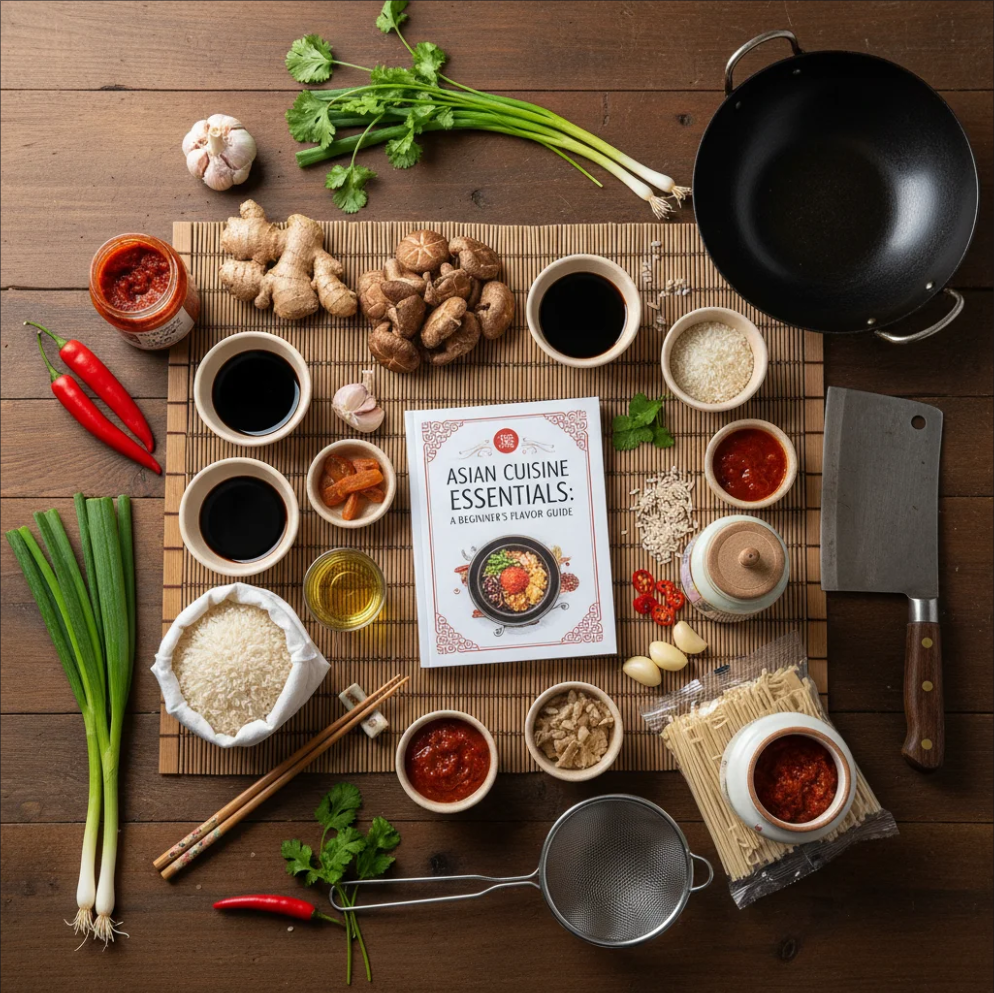
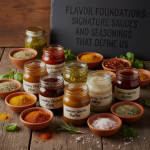
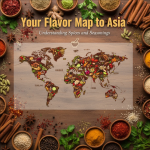
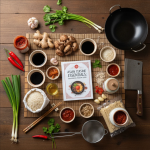
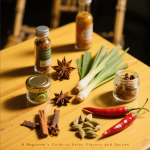
Soy sauce, ginger, chili, lemongrass, and rice arranged as essential Asian cooking ingredients

Asian Cuisine Essentials: A Beginner’s Flavor Guide

Asian cuisine is one of the most diverse and flavorful culinary traditions in the world. From the spicy curries of Thailand to the delicate sushi of Japan, the bold stir-fries of China to the comforting soups of Vietnam, each dish carries a story of history, culture, and unique flavor combinations.

For beginners, the world of Asian food can feel overwhelming—but it doesn’t have to be. This guide introduces the essential ingredients, cooking methods, and flavor profiles that form the backbone of Asian cuisine, helping you start your flavorful journey with confidence.

🥢 1. The Foundations of Asian Flavors

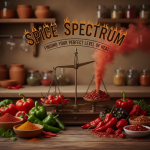
At the heart of Asian cooking are five key taste elements that create balance:

  • Sweet – from palm sugar, hoisin sauce, or mirin
  • Salty – soy sauce, fish sauce, or miso
  • Sour – lime, vinegar, or tamarind
  • Spicy – chili paste, fresh peppers, or wasabi
  • Umami (savory) – mushrooms, seaweed, or fermented sauces

Asian dishes often combine these elements in harmony, creating flavors that are bold yet balanced.


🧄 2. Essential Ingredients to Stock Your Pantry

To recreate authentic Asian flavors, these staples are a must-have:

  • Soy Sauce & Fish Sauce – salty bases for marinades, stir-fries, and dipping sauces
  • Rice & Noodles – from jasmine rice to ramen and rice vermicelli
  • Spices & Herbs – ginger, garlic, lemongrass, star anise, and chili
  • Coconut Milk – a creamy base for Southeast Asian curries
  • Sesame Oil – adds nutty aroma and depth
  • Miso & Fermented Pastes – umami powerhouses for soups and broths

🔥 3. Common Cooking Techniques

Asian cuisine is defined by unique cooking methods that bring out the best in fresh ingredients:

  • Stir-Frying – fast and high-heat, keeping vegetables crisp and flavors intense
  • Steaming – from dumplings to fish, preserving nutrition and subtle flavors
  • Simmering & Broths – essential for ramen, pho, and hotpots
  • Grilling & Skewers – yakitori, satay, and Korean BBQ

🍲 4. Must-Try Beginner Dishes

If you’re just starting out, here are some approachable dishes to explore:

  • Pad Thai (Thailand) – sweet, tangy, and nutty stir-fried noodles
  • Miso Soup (Japan) – light, comforting, and umami-rich
  • Fried Rice (China) – versatile and customizable with simple ingredients
  • Pho (Vietnam) – fragrant broth with rice noodles and herbs
  • Chicken Satay (Indonesia/Malaysia) – skewered and grilled with peanut sauce

🌏 5. Tips for Exploring Asian Cuisine

  • Start simple: master a few pantry staples before diving into complex recipes.
  • Visit local Asian markets for authentic ingredients.
  • Experiment with flavors—don’t be afraid to mix sweet, spicy, and sour.
  • Learn the culture: food is deeply tied to tradition, family, and celebration.

Final Thought: Asian cuisine is more than just food—it’s an experience of flavors, traditions, and artistry. With the right ingredients and an open mind, anyone can start their journey into this flavorful world.

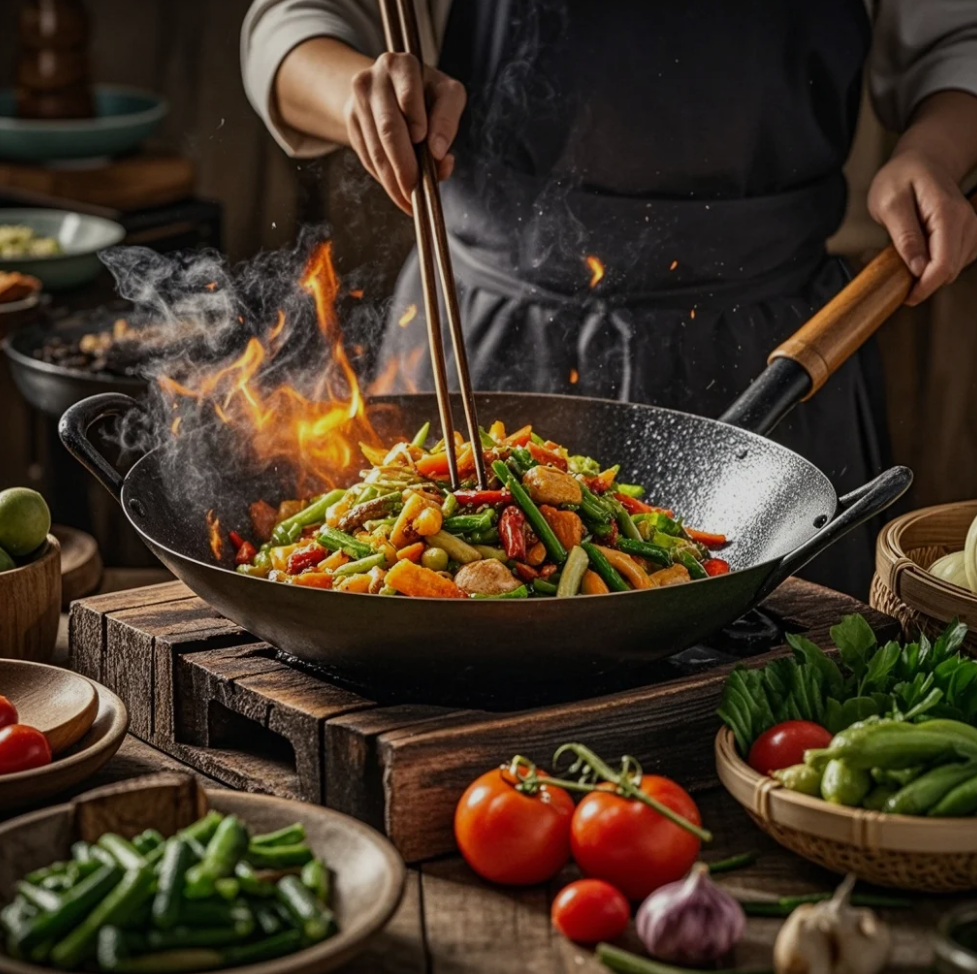
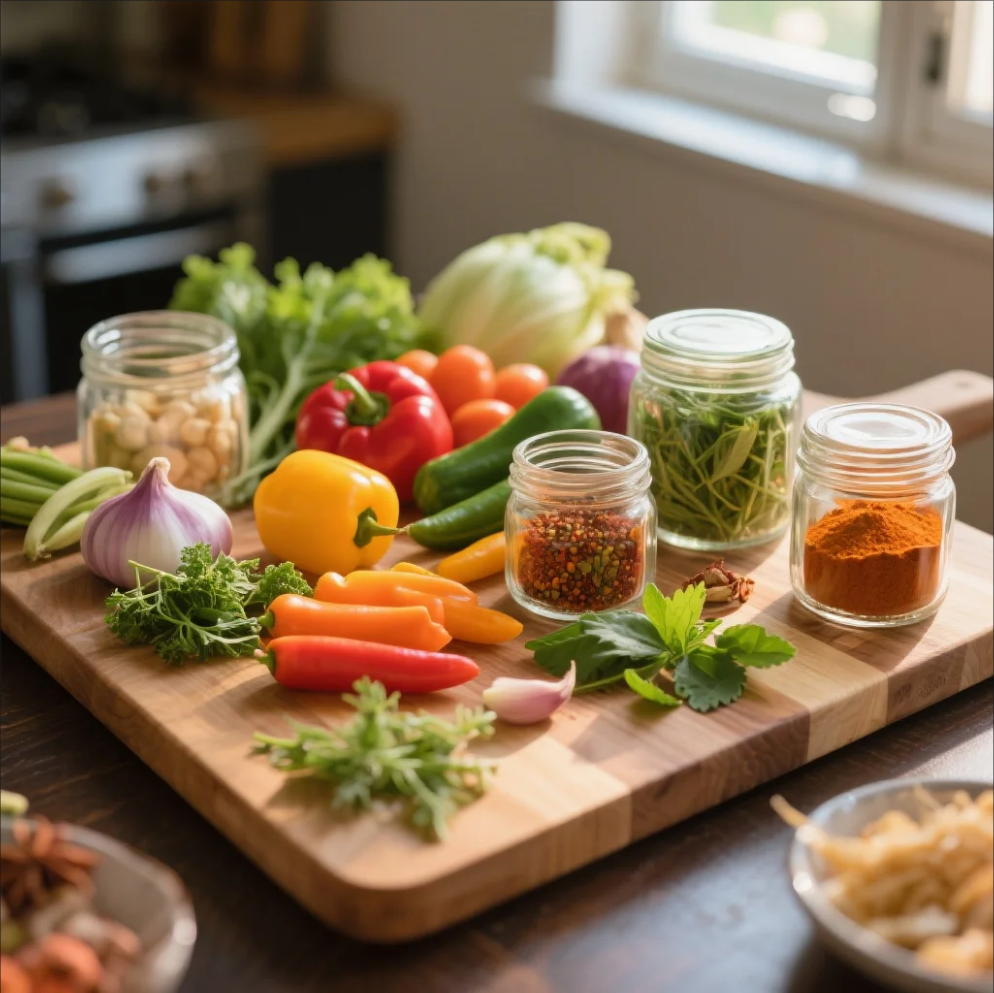
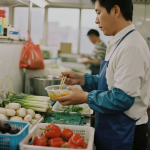
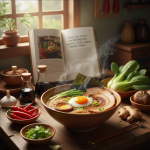
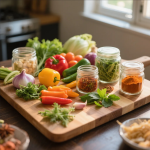
Fresh herbs, spices, and vegetables arranged for Asian cooking with vibrant colors

Fresh Ingredients, Bold Flavors: The Secret to Asian Cooking

Asian cuisine is one of the world’s most beloved culinary traditions, known for its vibrant colors, balanced flavors, and use of fresh ingredients. From street markets in Bangkok to fine-dining restaurants in Tokyo, the common thread across this diverse region is the emphasis on freshness and boldness. But what makes these two elements so essential—and how do they shape the way we experience Asian food?

In this article, we’ll explore the ingredients, cooking techniques, cultural influences, and evolving trends that define Asian cooking and reveal why its flavors continue to captivate food lovers everywhere.


1. Fresh Ingredients: The Heart of Asian Cooking

Seasonal and Local Sourcing

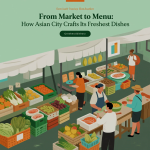
In many Asian countries, dishes are designed around what’s in season. Farmers’ markets and wet markets play a central role in daily life, where chefs and home cooks alike seek out just-harvested vegetables, herbs, and spices.

Examples:

  • Vietnamese pho often uses fresh basil, bean sprouts, and lime to complement the rich broth.
  • Japanese sushi relies on the catch of the day, showcasing the natural taste of fresh fish.

Herbs and Aromatics

Asian cooking wouldn’t be complete without its signature herbs and spices. Ingredients like ginger, garlic, lemongrass, cilantro, Thai basil, and chili are not only flavor enhancers but also carry health benefits.

Fresh aromatics are typically added at different stages of cooking to build depth. For instance, ginger and garlic may be sautéed early for a rich base, while fresh herbs are sprinkled at the end for brightness.


2. Bold Flavors: Striking the Perfect Balance

Asian dishes are celebrated for their harmonious blend of tastes. Unlike cuisines that focus on one dominant note, Asian cooking often balances multiple flavor profiles at once.

  • Sweet: From palm sugar in Thai curries to hoisin sauce in Chinese stir-fries.
  • Salty: Soy sauce, miso, or fish sauce provide the savory backbone.
  • Sour: Lime juice, vinegar, or tamarind add refreshing acidity.
  • Spicy: Chilies, wasabi, and peppercorns ignite the palate.
  • Umami: Fermented pastes, mushrooms, and broths deliver depth.

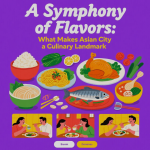
The secret is not overpowering one with the other, but rather creating layers of taste that unfold with each bite. For example, a bowl of Tom Yum soup hits all five notes—spicy, sour, salty, sweet, and umami—making it both complex and satisfying.


3. Cooking Techniques That Enhance Freshness and Flavor

Asian cooking is as much about technique as it is about ingredients. Many methods are designed to preserve the natural taste and texture of fresh foods while enhancing bold flavors.

  • Stir-frying: Quick and high heat keeps vegetables crisp and meats tender.
  • Steaming: Popular in China and Southeast Asia, steaming locks in nutrients and natural flavors.
  • Grilling: From Japanese yakitori to Korean barbecue, grilling imparts smokiness while letting marinades shine.
  • Fermentation: Kimchi, soy sauce, and miso showcase bold flavors created through patience and preservation.

These methods ensure that dishes remain light yet flavorful, making them appealing to a wide range of palates.


4. Cultural Influences on Asian Flavors

Asia is vast and diverse, with each country—and often each region—having its own approach to food.

  • China: Regional differences range from the fiery spice of Sichuan to the delicate flavors of Cantonese cuisine.
  • Japan: Precision and simplicity define dishes like sushi, sashimi, and ramen.
  • India: Bold spices and layered curries reflect centuries of trade and cultural blending.
  • Thailand & Vietnam: A focus on fresh herbs, zesty flavors, and street food culture.
  • Korea: Fermented foods, hearty stews, and communal dining traditions.

Despite their differences, all share the philosophy of balancing freshness with intensity, making the cuisine both grounded in tradition and endlessly innovative.


5. Health Benefits of Fresh and Bold Asian Cooking

Asian cooking isn’t just delicious—it’s also known for being nourishing. Fresh vegetables, lean proteins, and herbs are staples in many dishes. Combined with limited use of heavy dairy or processed ingredients, this makes it one of the healthier global diets.

  • Fresh herbs aid digestion and boost immunity.
  • Spices like turmeric and ginger have anti-inflammatory properties.
  • Fermented foods promote gut health.

It’s no wonder that many nutritionists highlight Asian food as both a flavorful and balanced dietary choice.


6. Modern Innovations in Asian Cooking

Today, chefs are blending traditional Asian methods with global trends to create bold new experiences. Examples include:

  • Fusion dishes like sushi burritos or ramen burgers.
  • Plant-based alternatives inspired by traditional recipes, appealing to health-conscious diners.
  • Fine dining reinterpretations of street food classics.

These innovations prove that while the secret to Asian cooking remains rooted in fresh ingredients and bold flavors, the possibilities for creativity are limitless.


7. The Secret Revealed

At its core, the magic of Asian cuisine lies in respecting ingredients and mastering balance. By using what’s fresh, highlighting bold flavors, and applying thoughtful techniques, Asian cooking transforms simple elements into extraordinary meals.

It’s not just about eating—it’s about experiencing culture, tradition, and innovation on a plate.

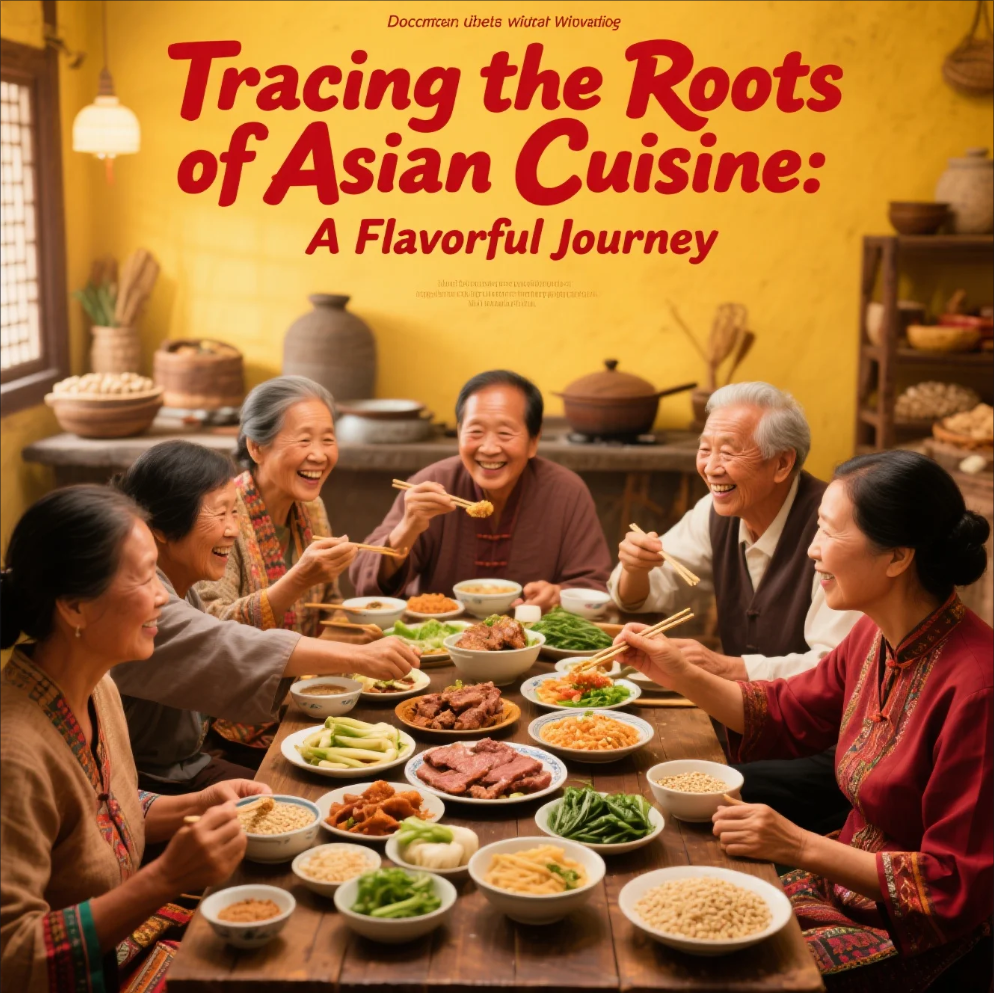
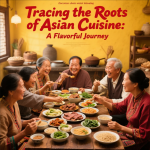
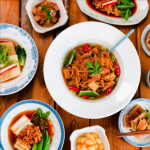
Traditional Asian dishes showcasing the diverse flavors of Asian cuisine

Tracing the Roots of Asian Cuisine: A Flavorful Journey

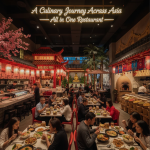
Asian cuisine is one of the most diverse and celebrated culinary traditions in the world. From the spices of India to the noodle cultures of China and Japan, and the street food delights of Southeast Asia, each dish carries stories of history, migration, and cultural exchange.

Ancient Traditions and Ingredients

The roots of Asian cooking trace back thousands of years, built on staples like rice, noodles, soy, and spices. These ingredients not only nourished communities but also shaped entire culinary identities that remain strong today.

Influence of Trade and Migration

The Silk Road and maritime trade routes brought new flavors and techniques to Asian kitchens. Chili peppers from the Americas, for example, transformed cuisines in Thailand, China, and Korea, showing how food evolves through global connections.

Regional Diversity

  • East Asia: Known for balance, freshness, and umami flavors in Chinese, Japanese, and Korean dishes.
  • South Asia: Famous for aromatic curries, spices, and vegetarian traditions.
  • Southeast Asia: A vibrant mix of sweet, sour, salty, and spicy in Thai, Vietnamese, and Indonesian food.
  • Middle East & Central Asia: Flatbreads, kebabs, and rice dishes influenced by nomadic and Persian legacies.

A Culinary Legacy That Lives On

Today, Asian cuisine continues to inspire chefs worldwide. From Michelin-starred restaurants to humble street stalls, the region’s food reflects resilience, creativity, and a passion for flavor.