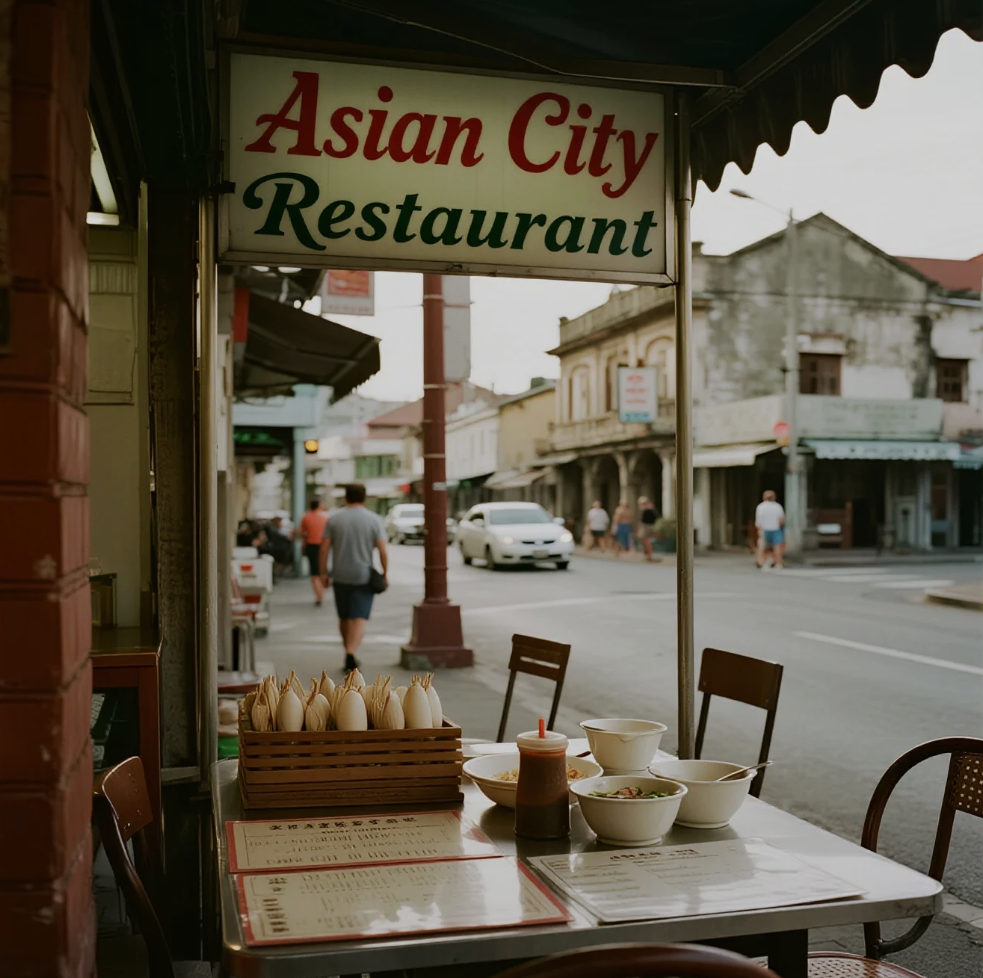
Traditional Asian dishes served on a wooden table at Asian City Restaurant

Asian City Restaurant: A Love Letter to Traditional Asian Recipes

In a world where modern fusion restaurants are becoming the norm, Asian City Restaurant stands proudly as a tribute to authenticity. Every dish tells a story—of heritage, of family, and of flavors passed down through generations. For anyone seeking a genuine taste of Asia, Asian City doesn’t just serve food; it serves memories, culture, and tradition on every plate.

1. A Menu That Honors Centuries of Culinary Wisdom

Many restaurants borrow from Asian cuisine, but Asian City Restaurant keeps it real. Its menu highlights dishes that still follow classic methods, whether it’s slow-simmering broths, hand-pounded spices, or traditional marinades.

Signature items often include:

  • Slow-cooked herbal soups inspired by Chinese home kitchens
  • Southeast Asian stir-fries made with fresh aromatics
  • Japanese-style broths prepared the old-fashioned way

The result is food that feels familiar, comforting, and rooted in history.


2. Ingredients That Respect Authenticity

Traditional Asian recipes depend on fresh herbs, bold spices, and high-quality ingredients. Asian City Restaurant ensures every dish mirrors the taste found in local markets across Asia.

You’ll often find:

  • Hand-selected ginger, lemongrass, garlic, and galangal
  • Authentic soy sauces, pastes, and fermented seasonings
  • Fresh vegetables and premium cuts of meat

This commitment keeps the flavors vibrant and true to their origins.


3. Flavors Built on Balance and Harmony

Asian cuisine is known for its balance—sweet, salty, sour, spicy, and umami all working together. Asian City Restaurant embraces this philosophy wholeheartedly.

Think:

  • Thai curries with layered spice and coconut richness
  • Korean dishes combining heat with fermented depth
  • Vietnamese favorites brightened with lime and fresh herbs

Each dish is crafted to reflect the harmony that defines Asia’s most beloved recipes.


4. Techniques Passed Down Through Generations

Behind every delicious plate is a technique perfected long before modern kitchens existed. Asian City’s chefs carry forward traditional skills such as:

  • Hand-pulling noodles
  • Stone-grinding spices
  • Char-grilling skewers over open flame
  • Slow-braising meats for maximum tenderness

These techniques preserve authenticity and elevate each dish beyond ordinary dining.


5. A Dining Experience That Feels Like Home

Beyond the food, Asian City Restaurant captures the essence of Asian hospitality. The warmth, the sharing-style dishes, the comforting aromas—all echo the feeling of sitting at a family table somewhere in Asia.

The restaurant becomes more than a place to eat; it becomes a place to reconnect with culture, memories, and the stories behind every recipe.


Conclusion

Asian City Restaurant is a heartfelt tribute to traditional Asian cooking. Every dish honors heritage, every flavor tells a story, and every bite takes you on a journey through the kitchens of Asia. In a world of fast trends and modern twists, Asian City remains dedicated to keeping tradition alive—one unforgettable recipe at a time.

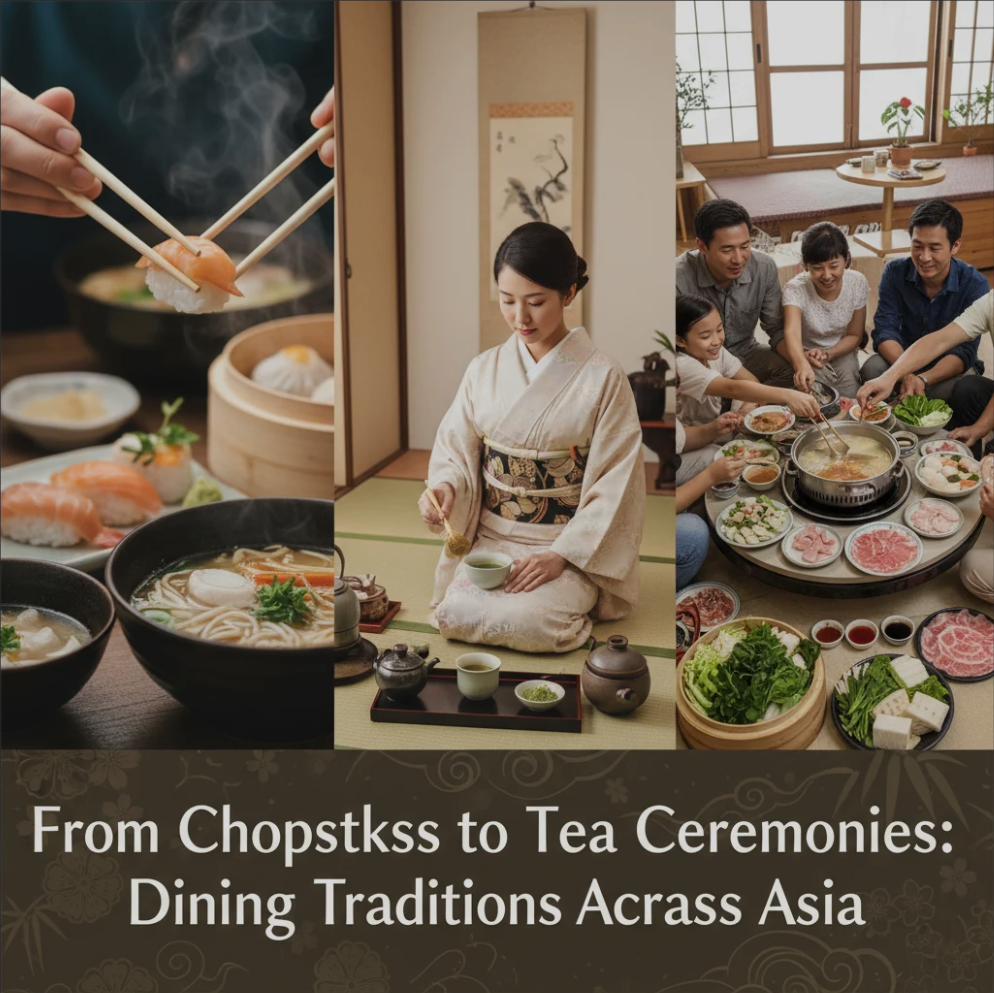
A traditional Asian dining table with chopsticks, tea set, and diverse dishes representing cultures from Japan, China, and Southeast Asia.

From Chopsticks to Tea Ceremonies: Dining Traditions Across Asia

Dining in Asia is more than just eating — it’s a celebration of history, community, and respect.
Across this vast continent, every meal tells a story, from the symbolic use of chopsticks to the grace of traditional tea ceremonies.

Let’s explore how these timeless traditions connect people through flavor and meaning.

🍚 1. The Art of Chopsticks: Simplicity and Skill

Chopsticks may look simple, but they hold deep cultural symbolism.
In countries like China, Japan, Korea, and Vietnam, chopsticks are seen as extensions of mindfulness and etiquette.

China: Long chopsticks represent harmony and reach.

Japan: Using chopsticks properly is considered a reflection of respect.

Korea: Metal chopsticks are used alongside spoons, showing practicality and elegance.

Each gesture — from how you hold them to how you rest them — carries a message of respect for the meal and those sharing it.

🍵 2. The Grace of Tea Ceremonies

In Asia, tea isn’t just a drink — it’s an experience.
From Japanese chanoyu to Chinese gongfu tea and Vietnamese lotus tea, the process reflects mindfulness, patience, and spiritual calm.

The Japanese tea ceremony, for example, is a meditative art form where every motion has meaning — symbolizing purity, harmony, and tranquility.
In China, tea gatherings often signify hospitality and wisdom shared through generations.

💬 “To pour tea is to pour respect,” says a popular Asian proverb.

🥢 3. Dining Etiquette: Respect Above All

Respect is the heart of Asian dining.
It’s seen in the way elders are served first, bowls are held close to the heart, and silence is used to express appreciation.

Some customs include:

Never sticking chopsticks upright in rice (it resembles funeral rites).

Offering dishes to others before serving yourself.

Avoiding waste — every grain of rice symbolizes gratitude.

🍲 4. Communal Dining: Togetherness at the Table

Many Asian cultures emphasize shared dining, where everyone eats from common plates or hot pots.
It’s a reflection of family, community, and equality — no one eats alone.

Whether it’s dim sum in Hong Kong, kimbap in Seoul, or nasi liwet in Indonesia, food is a bridge between generations and traditions.

🌏 5. How Traditions Shape Modern Dining

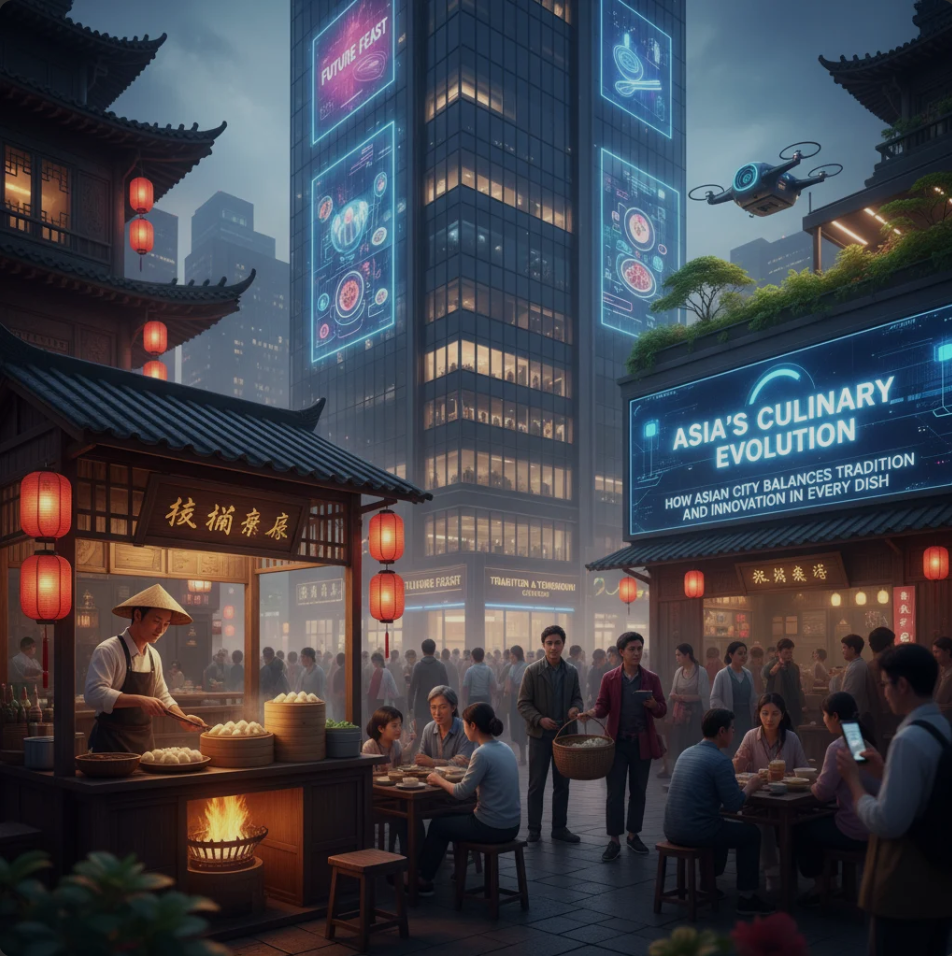
Even as Asia embraces modern dining trends, ancient traditions remain intact.
High-end restaurants now blend authentic cultural etiquette with modern presentation, creating experiences that honor both heritage and innovation.

From Tokyo to Bangkok, tradition still influences how food is prepared, served, and enjoyed.

💡 Conclusion: A Feast for the Senses and the Soul

From the simple movement of chopsticks to the calming flow of a tea pour, Asia’s dining rituals remind us that food is not just nourishment — it’s a language of love, respect, and identity.

✨ Each meal becomes a timeless connection between past and present — one shared cup of tea at a time.

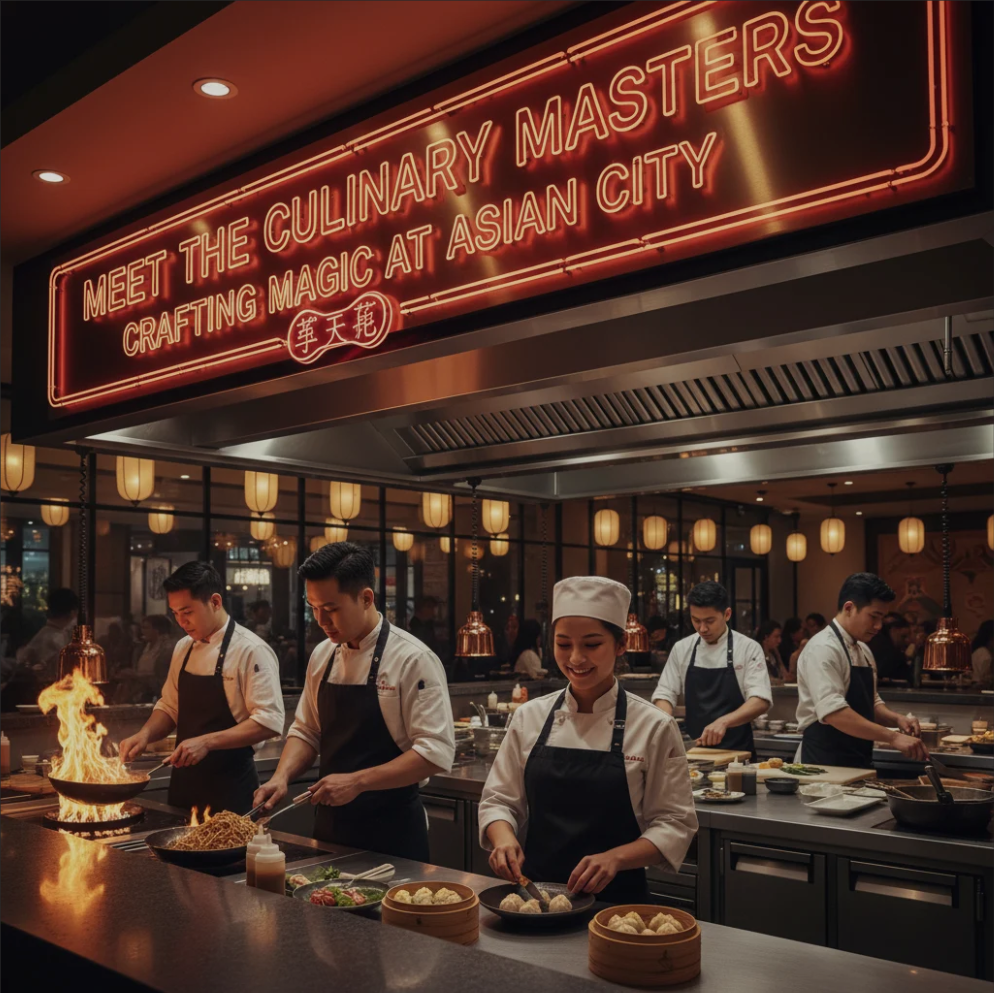
Asian City Culinary Masters in Action

Meet the Culinary Masters Crafting Magic at Asian City

Every great restaurant has a story — and at Asian City, that story is told through flavor, tradition, and artistry.
Behind every beautifully plated dish stands a team of culinary masters who have perfected the art of combining authenticity with innovation.

Let’s step inside the kitchen and meet the people turning passion into perfection.


🍜 1. Where Tradition Meets Innovation

Asian City’s philosophy is simple: honor the roots, embrace the future.
Each chef brings decades of experience in classic Asian cuisine, blending traditional recipes with modern presentation.

From delicate sushi rolls to sizzling teppanyaki and aromatic curries, the menu reflects a journey across Asia — where flavor knows no borders.

💡 Every dish tells a story that connects culture, craft, and creativity.


👨‍🍳 2. The Masters Behind the Menu

At the heart of Asian City’s success are chefs who see cooking as both science and soul.

  • Chef Hiro Tanaka, the head sushi artisan, began his career in Tokyo’s Tsukiji Market. His precision and respect for ingredients make each bite a celebration of balance.
  • Chef Mei Lin, known for her mastery of Southeast Asian spices, brings warmth and boldness to every creation — from Thai curries to Malaysian rendang.
  • Chef Dae Kim, the grill specialist, turns simple ingredients into unforgettable flavors using charcoal techniques rooted in Korean culinary heritage.

Together, they form a culinary orchestra, each bringing their unique rhythm and flair.


🔥 3. The Art of Authentic Flavors

What makes Asian City stand out is its commitment to authentic preparation.
No shortcuts, no compromises — every broth is slow-cooked, every sauce handcrafted, and every spice freshly ground.

The chefs insist on using locally sourced ingredients where possible, combined with imported essentials from across Asia to maintain traditional taste.

The result? Dishes that feel both familiar and extraordinary.


🥢 4. The Kitchen: A Symphony of Senses

Step into the kitchen and you’ll find more than just cooking — it’s choreography.
Steam rises, knives dance, and aromas blend in perfect harmony.

Each station has its rhythm, from the sushi counter to the wok flames — every movement intentional, every detail considered.
Guests often describe dining here as watching art in motion.


🌏 5. Beyond the Plate: A Celebration of Culture

Asian City is more than a restaurant — it’s a cultural experience.
The décor, the music, and the plating all reflect the spirit of Asia’s most celebrated cuisines.

Events like Chef’s Table Nights and Seasonal Tasting Menus invite diners to explore regional stories and rare ingredients guided by the chefs themselves.

🎎 It’s not just a meal — it’s a journey through Asia’s diverse culinary landscape.


🍽️ Conclusion: Passion You Can Taste

The culinary masters at Asian City don’t just cook; they create experiences.
Each dish is a bridge between tradition and today — crafted with precision, passion, and purpose.

Whether you’re savoring a signature roll or a spicy noodle dish, you’re tasting the work of chefs who pour their hearts into every flavor.

🌟 Asian City isn’t just where you dine — it’s where you discover the art of culinary magic.