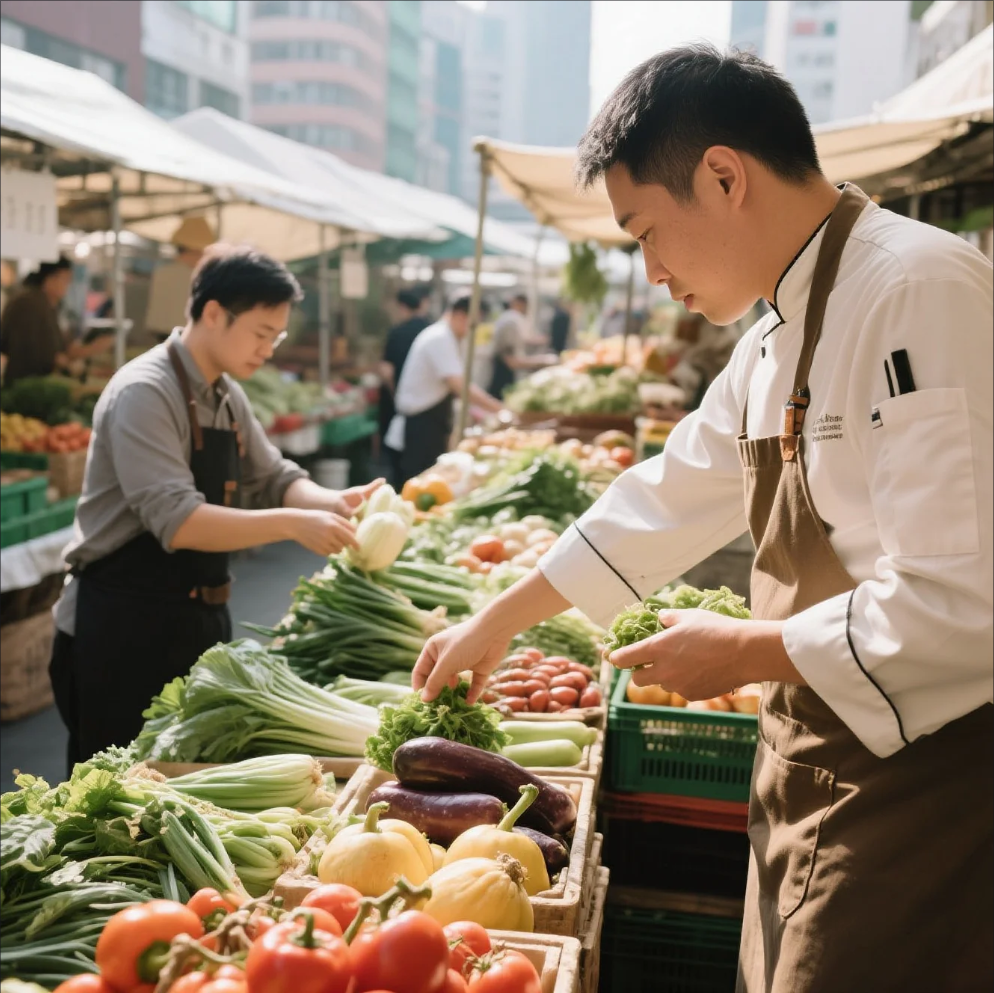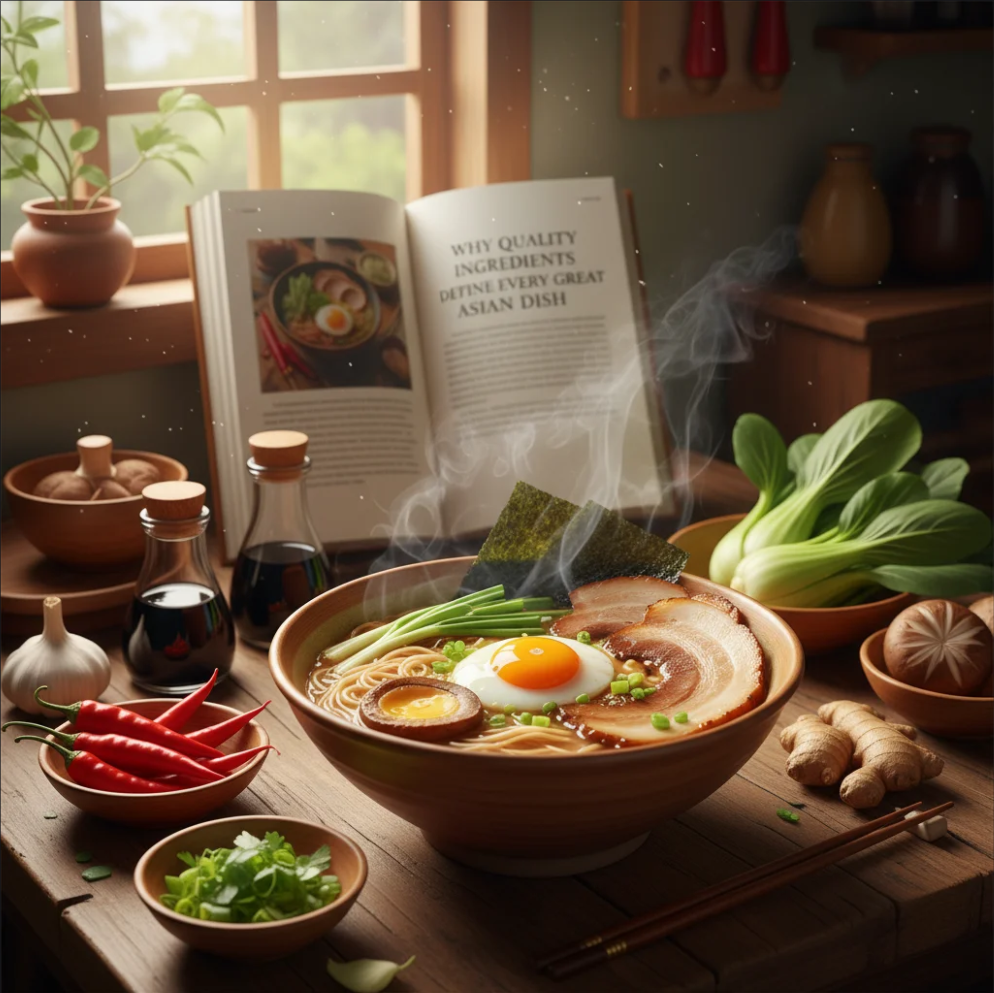
Fresh herbs, spices, and vegetables used in authentic Asian cooking

Why Quality Ingredients Define Every Great Asian Dish

From the aromatic herbs of Thailand to the delicate balance of flavors in Japan, one truth runs through every Asian kitchen — the secret to unforgettable taste lies in the ingredients.

Asian cuisine isn’t just about technique or presentation; it’s about respecting every element that goes into the dish. Whether it’s handpicked spices, freshly caught seafood, or locally grown vegetables, quality is what transforms a simple meal into a culinary masterpiece.


🥢 1. The Heart of Asian Cooking: Freshness Above All

In most Asian kitchens, chefs shop daily — not weekly. The reason? Freshness defines flavor.

  • In Vietnam, herbs like basil, mint, and cilantro are added seconds before serving to preserve aroma.
  • In Japan, sushi chefs select fish that meet exacting freshness standards — anything less is unthinkable.
  • And in Thailand, market-sourced lemongrass and galangal create the vibrant backbone of tom yum soup.

Lesson: Fresh ingredients don’t just taste better; they capture the soul of the culture.


🌾 2. Authentic Sourcing Keeps Tradition Alive

Many of Asia’s most iconic dishes rely on ingredients that carry centuries of history. Using authentic sources isn’t about elitism — it’s about protecting heritage.

For instance:

  • Soy sauce brewed traditionally over months offers complex umami that instant alternatives can’t replicate.
  • Jasmine rice from Thailand or short-grain rice from Japan delivers textures essential to their cuisines.
  • Even the salt matters — some chefs swear by sea salt from coastal regions for its natural balance.

Lesson: The closer the source to tradition, the truer the flavor.


🌶️ 3. Balancing the Five Elements of Flavor

Asian cuisine is built on balance — sweet, salty, sour, bitter, and umami. High-quality ingredients help maintain that harmony without over-reliance on artificial enhancers.

  • Natural fish sauce brings depth to Vietnamese pho.
  • Aged miso adds complexity to Japanese soups.
  • Pure sesame oil elevates a simple stir-fry into a signature dish.

Lesson: When ingredients are genuine, balance happens naturally.


🍚 4. The Modern Revival: Chefs Returning to the Roots

As Asian cuisine goes global, many modern chefs are leading a back-to-basics movement — focusing again on where their ingredients come from.

From farm-to-table initiatives in Seoul to small-batch soy sauce makers in Kyoto, the trend is clear: quality equals authenticity. Diners can taste the difference, and they’re willing to pay for it.

Lesson: Innovation in Asian cooking begins by honoring its origins.


🧭 Conclusion: Great Taste Starts with Great Ingredients

Every great Asian dish — from a comforting bowl of ramen to a spicy Malaysian laksa — carries a story written through its ingredients.

The next time you enjoy your favorite Asian meal, remember: behind every perfect bite lies the care, craft, and respect for quality that define this timeless cuisine.

Chef selecting fresh vegetables from a local farm in Asian City

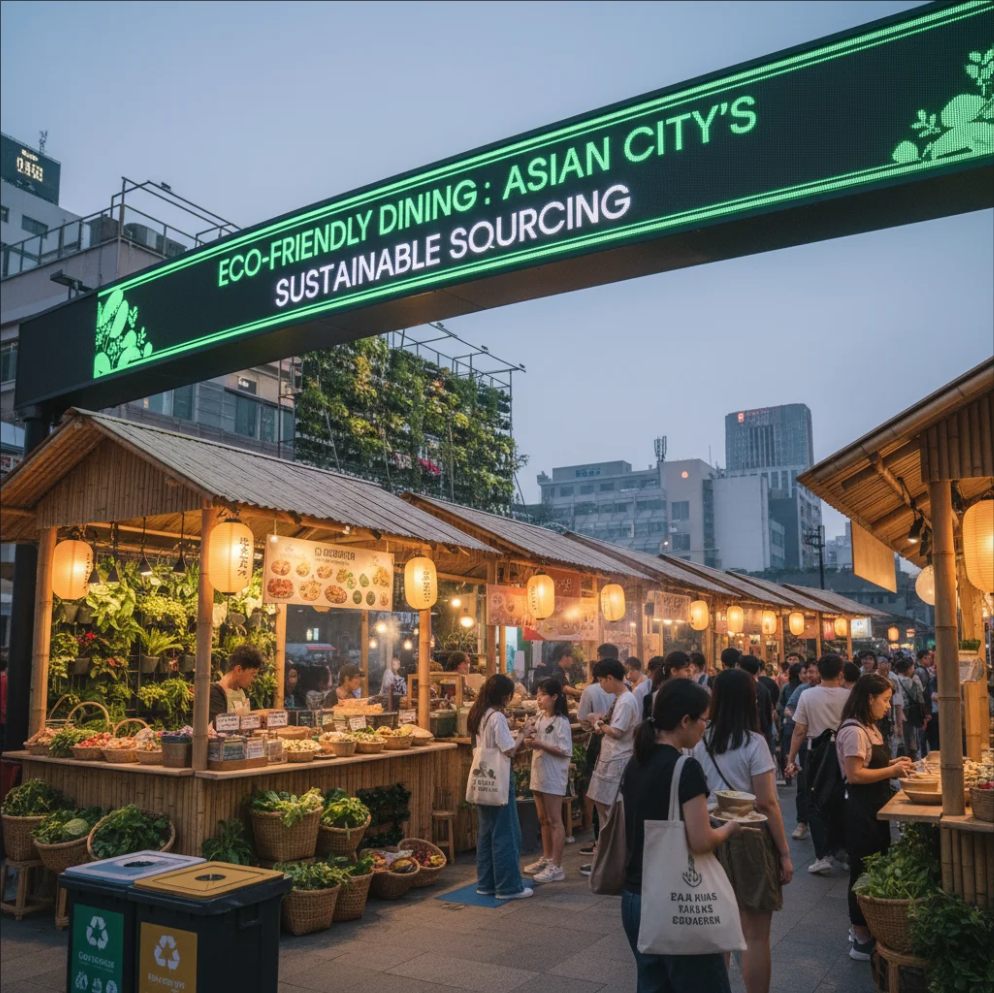
Eco-Friendly Dining: Asian City’s Sustainable Sourcing

Dining out in Asian City is no longer just about flavor — sustainability is taking center stage. Restaurants, cafes, and culinary innovators are increasingly embracing eco-friendly sourcing to reduce environmental impact, support local communities, and offer diners healthier, more ethical options.

Here’s a closer look at how sustainable sourcing is transforming the city’s food scene.


🌱 1. Local Partnerships Reduce Carbon Footprint

Many restaurants are turning to local farms and artisanal producers, sourcing vegetables, meats, and seafood close to home. Benefits include:

  • Reduced transportation emissions
  • Fresher, seasonal ingredients
  • Support for local farmers and communities

By prioritizing regional suppliers, chefs can guarantee quality while minimizing the environmental cost of long-distance shipping.


🥗 2. Farm-to-Table Practices in Action

Farm-to-table is more than a trend — it’s a commitment to sustainability and taste. Restaurants in Asian City are:

  • Using seasonal produce to reduce waste
  • Rotating menus based on availability
  • Highlighting dishes that celebrate local agriculture

This approach ensures diners enjoy fresh, flavorful meals while the ecosystem benefits.


♻️ 3. Responsible Seafood and Protein Sourcing

Seafood overfishing and industrial farming are global concerns. Sustainable dining focuses on:

  • MSC-certified seafood
  • Ethically raised livestock
  • Plant-based protein alternatives

By sourcing responsibly, restaurants ensure that menus are environmentally conscious without sacrificing taste.


🥘 4. Minimizing Waste Through Smart Practices

Sustainable sourcing is complemented by waste reduction strategies:

  • Composting organic waste
  • Using biodegradable packaging for takeaway
  • Creative use of leftovers in soups, sauces, or specials

Such measures help restaurants reduce their carbon footprint while inspiring diners to think consciously about food.


🌍 5. Educating Diners and Building Awareness

Eco-friendly dining is also about sharing knowledge. Many restaurants now:

  • Highlight the origin of ingredients on menus
  • Run workshops or tasting events with local producers
  • Promote plant-based or low-impact dishes

By educating diners, these establishments create a culture of conscious eating that goes beyond the meal itself.


Conclusion

Asian City’s sustainable sourcing movement shows that dining can be delicious, ethical, and environmentally friendly all at once. From supporting local farmers to reducing waste and promoting responsible protein choices, restaurants are proving that sustainability and flavor go hand-in-hand.

Whether you’re a local foodie or a visiting traveler, embracing eco-friendly dining is a way to savor meals while contributing to a healthier planet.