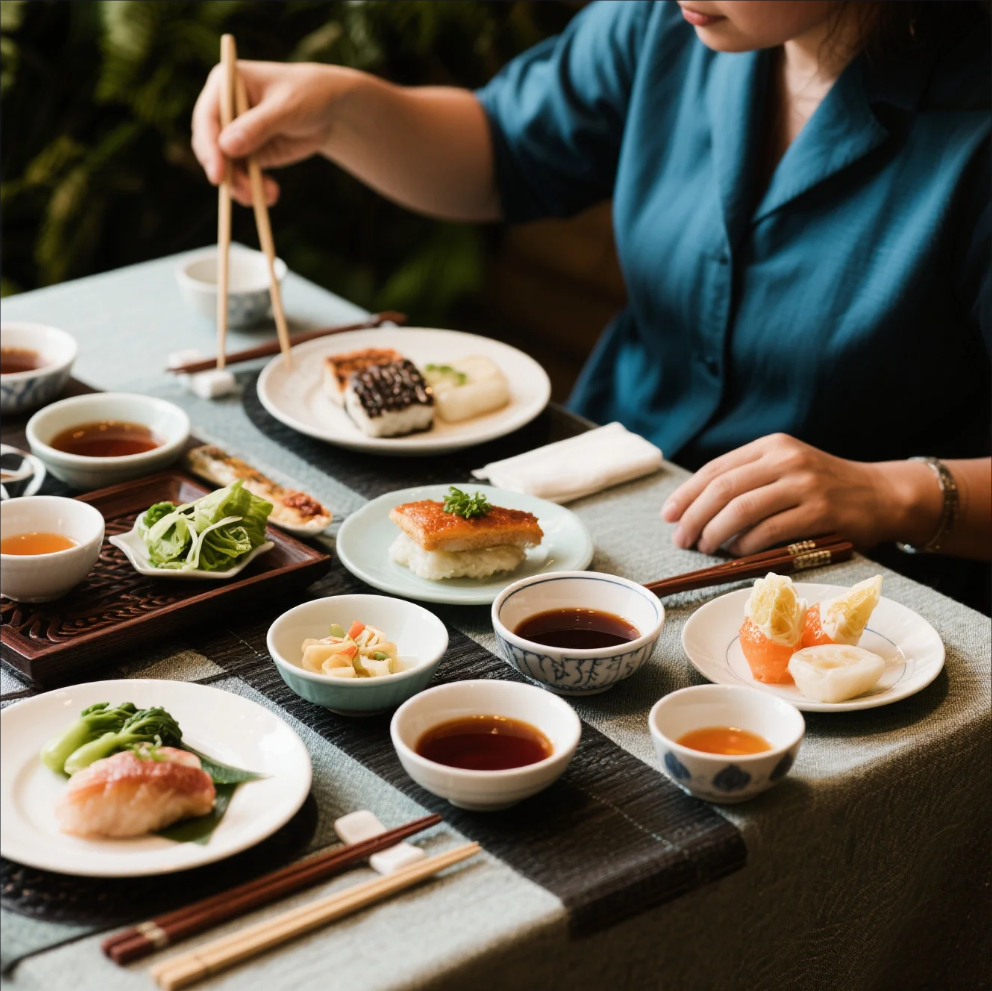
Asian dishes showcasing sweet, spicy, savory, and sour flavor balance

The Craft of Balance: Sweet, Spicy, Savory & Sour at Asian City

At Asian City, flavor isn’t just an ingredient—it’s a philosophy.
Every dish is crafted around the delicate balance that defines the most beloved Asian cuisines: sweet, spicy, savory, and sour. When these four elements harmonize, the result is food that feels vibrant, comforting, and deeply memorable.

This is the signature experience Asian City promises—and consistently delivers.


🍯 Sweet: The Comforting Base of Many Classics

Sweetness in Asian City’s dishes is never overpowering. It acts as the smooth counterweight to heat, acidity, and umami.

You’ll find it in:

  • honey-glazed chicken
  • lightly caramelized sauces
  • subtle coconut milk undertones
  • stir-fries with natural sweetness from fresh vegetables

The kitchen uses sweetness with intention—softening edges, rounding flavors, and making each bite more satisfying.


🌶️ Spicy: Heat That Enhances, Not Dominates

Spice at Asian City isn’t about overpowering heat; it’s about depth.

Chili, pepper, and handmade chili oils are used to:

  • warm the palate
  • add aroma
  • elevate the natural flavors of meats and vegetables

The goal is balance—not a challenge or dare. Even spicy dishes are crafted to keep everything enjoyable and cohesive.


🍖 Savory: The Heart of Asian City’s Flavor Profile

Savory flavors form the backbone of the restaurant’s menu.

This comes from:

  • soy-based reductions
  • rich broths simmered for hours
  • grilled and wok-seared meats
  • layered spices and aromatics

The savory element gives each dish its satisfying depth—the reason customers return again and again.


🍋 Sour: Bright Notes That Lift the Entire Dish

The sour component gives Asian City’s dishes their distinctive spark.
Citrus, tamarind, rice vinegar, and pickled vegetables introduce refreshing, lively acidity.

This adds:

  • brightness to heavier dishes
  • balance to sweetness
  • clarity to bold flavors

It’s the key to creating meals that feel energizing rather than overwhelming.


🎨 Where All Four Meet: The Signature of Asian City’s Kitchen

What makes Asian City special isn’t just using these four flavor profiles—it’s how the chefs blend them with precision. Every sauce, marinade, and broth is layered to create harmony, not conflict.

This careful balancing act results in dishes that are:

  • bold yet smooth
  • complex yet comforting
  • rich yet refreshing

It’s a craft. It’s a philosophy. It’s the reason locals call Asian City a true standout.


🌟 Why Flavor Balance Matters

In Asian culinary tradition, balance isn’t optional—it’s essential.
It ensures that no single taste dominates the dish, allowing diners to experience a full spectrum of flavors in every bite.

Asian City’s commitment to this principle is what elevates its food from enjoyable to exceptional.

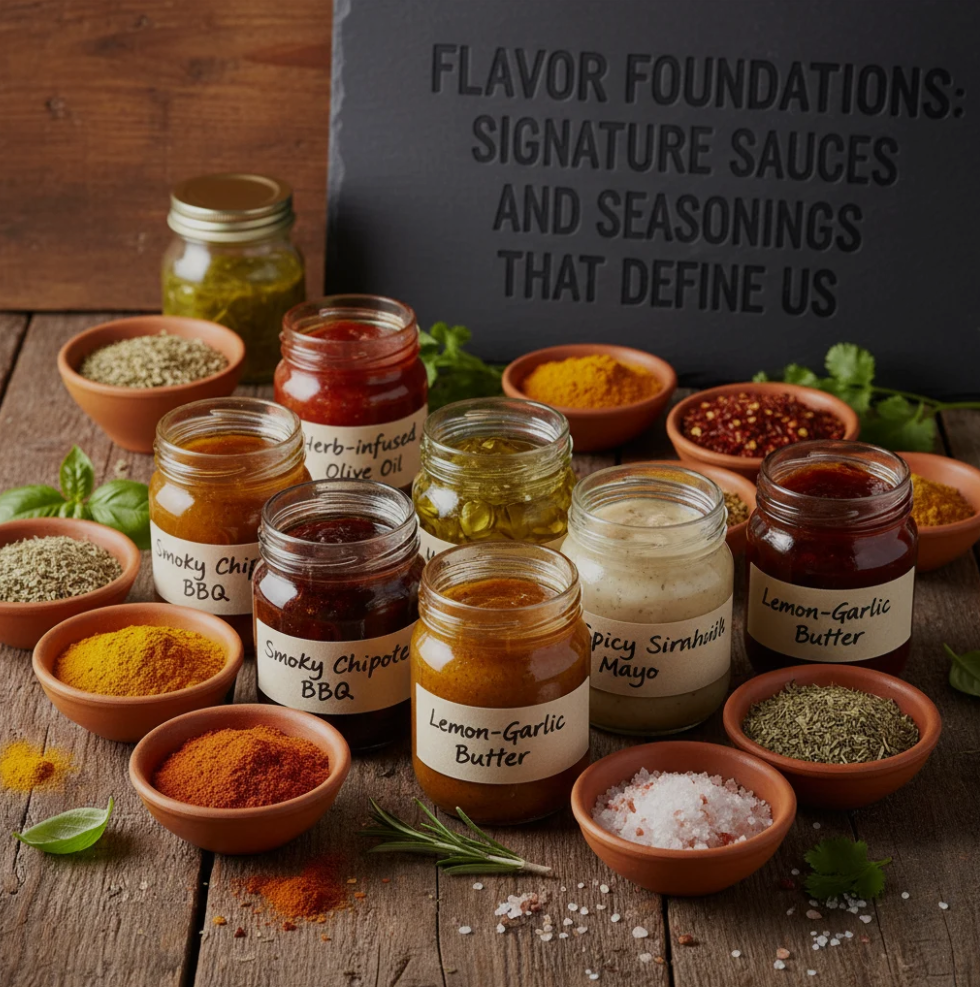
Chef preparing signature sauces and seasonings in a professional kitchen

Flavor Foundations: Signature Sauces and Seasonings That Define Us

Every memorable dish begins with a foundation — the flavor base that brings ingredients to life.

At the heart of our kitchen lies a deep respect for signature sauces and seasonings that define our culinary identity.
They’re not just recipes; they’re stories of craftsmanship, heritage, and innovation combined into every drop and sprinkle.


🔥 1. The Passion Behind Every Sauce

Each of our signature sauces is more than a condiment — it’s a creation born from passion and perfected through experience.
We blend fresh ingredients, slow-cooked techniques, and balanced flavor profiles to ensure every sauce tells a unique story.

From rich, smoky barbecue glazes to creamy garlic reductions, our sauces are designed to enhance, not overpower, every dish they touch.

“A sauce is not just an addition — it’s the soul of the plate,” says our head chef.


🧂 2. Seasonings That Speak of Identity

Seasonings are the language of flavor.
Our spice blends combine global influences and local authenticity, celebrating diversity while staying true to our roots.
Every blend is meticulously crafted — from hand-crushed herbs to freshly ground peppers — ensuring consistency, aroma, and depth in every bite.

These signature seasonings are what transform a good meal into a culinary experience worth remembering.


🍋 3. A Balance Between Tradition and Innovation

While we honor the classic flavors that built our foundation, we’re not afraid to experiment.
Our chefs constantly explore new techniques, regional inspirations, and sustainable ingredients to push the boundaries of taste.

The result? Sauces and seasonings that feel familiar yet surprising — where tradition meets creativity in every blend.


🌍 4. Locally Sourced, Globally Inspired

We believe that great flavor starts with great sourcing.
Our ingredients come from trusted local farmers and sustainable suppliers, ensuring freshness and ethical practices.

By pairing local produce with global inspiration, we create sauces and seasonings that are both authentic and adventurous — capturing the best of both worlds.


💡 5. Craftsmanship That Defines Our Kitchen

Behind every bottle of sauce or jar of seasoning is a team dedicated to excellence.
From chefs who test new recipes daily to artisans who perfect the texture and aroma, every step reflects our commitment to quality.

Each batch is made with precision, ensuring that every flavor is consistent, memorable, and unmistakably ours.


🌟 Conclusion: Where Flavor Meets Identity

Our signature sauces and seasonings are more than just kitchen essentials — they’re the essence of who we are.
They represent our dedication to craftsmanship, creativity, and connection through taste.

With every drizzle, dip, or dash, we share a piece of our story — one flavor at a time.

Because at the end of the day, true flavor is not just tasted — it’s felt.

Traditional Tom Yum soup from Thailand showcasing its iconic herbs and spices

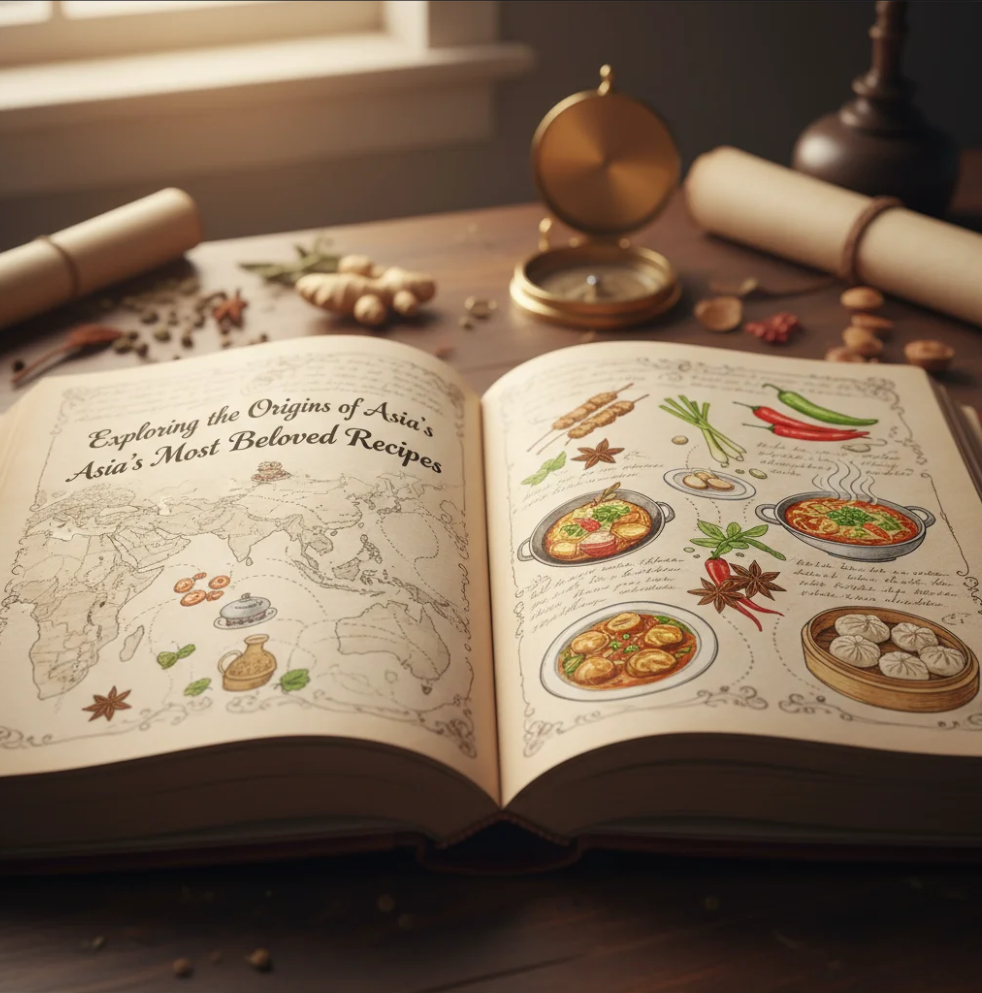
Exploring the Origins of Asia’s Most Beloved Recipes

Asian cuisine is more than just food — it’s a cultural journey, a story told through spices, textures, and time-honored techniques. From the smoky kitchens of Thailand to the bustling street stalls of Vietnam and the serene tea houses of Japan, each dish reflects a blend of history, geography, and tradition.

In Exploring the Origins of Asia’s Most Beloved Recipes, we dive deep into the stories behind some of the region’s most iconic meals — dishes that have crossed borders, adapted to generations, and still hold a special place in the hearts (and taste buds) of millions.

🍲 1. Thailand’s Tom Yum — The Perfect Balance of Flavors

Originating in central Thailand, Tom Yum embodies the Thai philosophy of balance — sour, spicy, salty, and sweet. Made with lemongrass, kaffir lime, and galangal, this dish was historically served as a warming soup for fishermen returning from long days at sea. Today, it’s a global comfort food, loved for its invigorating kick and fragrant aroma.

🍜 2. Japan’s Ramen — From Street Stalls to Global Icon

Ramen may have Chinese roots, but it’s in Japan that this humble noodle dish found its soul. Introduced during the early 20th century, ramen became a symbol of post-war recovery and ingenuity. Every region developed its own variation — from Sapporo’s rich miso broth to Hakata’s creamy tonkotsu — creating a tapestry of flavor that continues to evolve.

🥟 3. China’s Dim Sum — A Culinary Tradition of Togetherness

Dating back to the Silk Road, Dim Sum began as small snacks served to weary travelers. Over centuries, it transformed into an art form representing hospitality and community. Each bite-sized creation tells a story of craftsmanship and family heritage — a culinary ritual still enjoyed in bustling tea houses across the world.

🍛 4. India’s Curry — A Legacy of Spice and Empire

Few dishes have traveled as far and wide as Curry. Originating from ancient spice blends, it evolved through trade, colonial influence, and cultural exchange. From India’s fragrant masalas to Japan’s mild curry rice, its adaptability has made it one of Asia’s most enduring culinary exports.

🍡 5. Vietnam’s Pho — Simplicity in a Bowl

A symbol of national pride, Pho was born during French colonial times when Vietnamese cooks adapted beef broth with local herbs and rice noodles. It’s more than a dish — it’s a morning ritual, a comfort during hard times, and a reflection of Vietnam’s ability to blend resilience with creativity.

Each of these recipes carries centuries of flavor and meaning. To explore Asian cuisine is to explore the continent’s heart — a mosaic of cultures connected by their shared love for food, family, and tradition.

Slice of matcha cheesecake topped with whipped cream served at Asian City restaurant

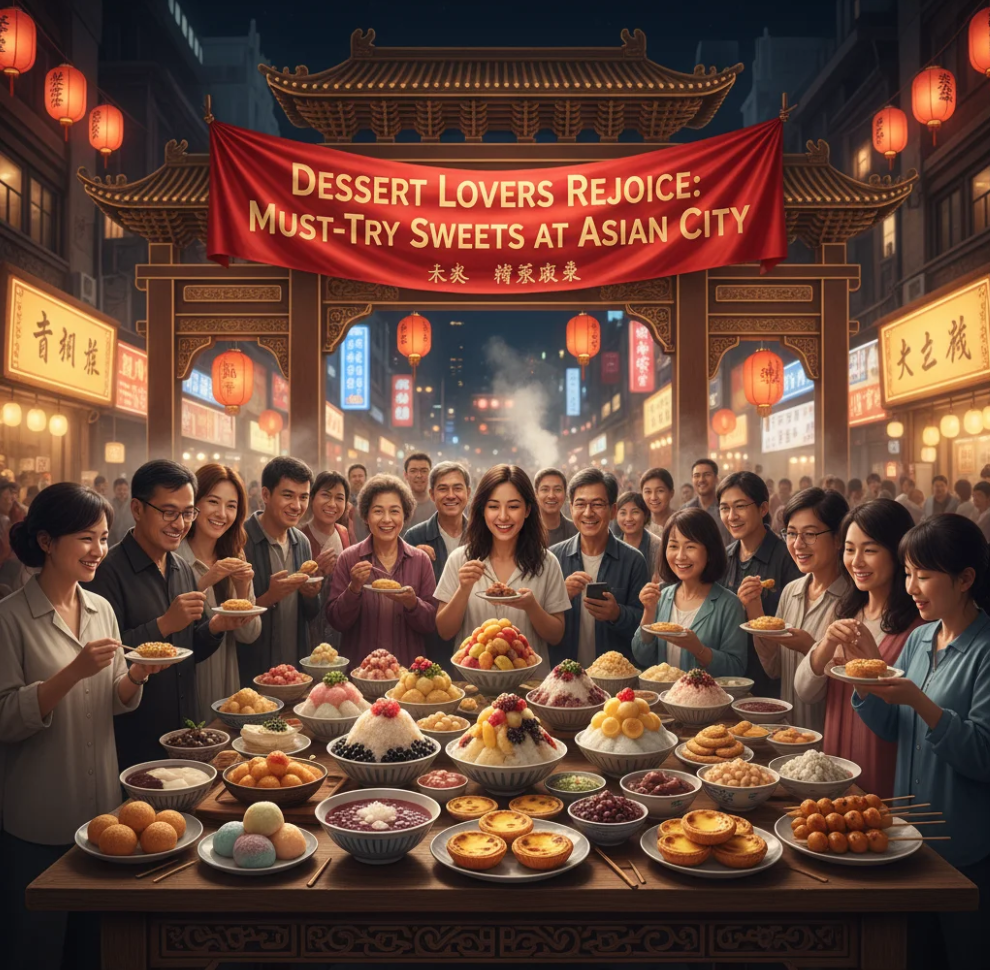
Dessert Lovers Rejoice: Must-Try Sweets at Asian City

If you’ve ever dreamed of a place where Asian-inspired desserts come together in perfect harmony, Asian City is your sweet paradise. From the first bite of creamy matcha cheesecake to the final spoonful of mango sticky rice, every dessert here tells a story — one of flavor, culture, and artistry.

For dessert lovers, this isn’t just a menu — it’s an experience worth savoring.


🍡 1. Matcha Cheesecake — Japan’s Green Dream

Rich, velvety, and slightly earthy, the Matcha Cheesecake at Asian City captures the essence of Japan’s most beloved tea. It balances sweetness with the deep umami of matcha powder, creating a dessert that feels both indulgent and refreshing.

Paired with a cup of jasmine tea, it’s the perfect afternoon treat.

💡 Fun Fact: Matcha isn’t just a trend — it’s packed with antioxidants and has been used in Japanese tea ceremonies for centuries.


🥭 2. Mango Sticky Rice — A Taste of Thailand

Few desserts can compete with the simplicity and perfection of Mango Sticky Rice. Asian City’s version elevates this Thai classic with premium glutinous rice, freshly sliced mangoes, and coconut cream drizzled to perfection.

It’s tropical, creamy, and delightfully comforting — the kind of dessert that transports you straight to the streets of Bangkok.


🍮 3. Pandan Pudding — Southeast Asia’s Emerald Jewel

This vibrant green dessert is a must-try for anyone who loves unique textures and fragrances. Made from pandan leaves — Southeast Asia’s aromatic secret ingredient — the Pandan Pudding offers a soft, silky texture and a sweet floral note unlike anything else.

It’s light enough to enjoy after a heavy meal and just exotic enough to surprise your taste buds.


🍧 4. Korean Bingsu — Shaved Ice Redefined

Cool, colorful, and endlessly customizable — the Korean Bingsu has taken dessert culture by storm. Asian City’s signature version layers fluffy shaved ice, sweet red beans, condensed milk, and seasonal fruits, topped with a scoop of ice cream.

Whether you go for strawberry, chocolate, or green tea, this is the ultimate dessert for hot days and sweet cravings.


🍫 5. Chocolate Lava Bao — East Meets West

Innovation takes center stage with Chocolate Lava Bao, a delightful fusion that combines traditional steamed buns with molten chocolate filling.

Served warm, these bao buns are soft on the outside and decadently gooey inside — proving that Asian City knows how to turn a simple idea into pure indulgence.


🌸 6. Lychee Panna Cotta — A Floral Finish

Light, fragrant, and sophisticated, the Lychee Panna Cotta blends Italian technique with Asian flavors. The creamy texture melts in your mouth, while the subtle aroma of lychee leaves a refreshing aftertaste.

It’s the perfect finale for an unforgettable dining experience.


Why Dessert Lovers Keep Coming Back to Asian City

Asian City isn’t just about taste — it’s about presentation, innovation, and storytelling. Every dessert reflects a region’s culture and a chef’s creativity.

From classic comfort treats to modern reinterpretations, Asian City continues to prove why it’s a must-visit destination for foodies and dessert lovers alike.

🏮 For more about Asian dining trends, visit Eater Asia — a leading resource for food culture across the continent.


🧁 Conclusion

Whether you’re a devoted dessert aficionado or just someone with a sweet tooth, Asian City’s dessert menu promises something extraordinary.

Each creation is more than just a dish — it’s a celebration of flavor, culture, and the universal joy of sweetness.

So, bring your appetite and your curiosity — and let Asian City desserts redefine what indulgence means to you.

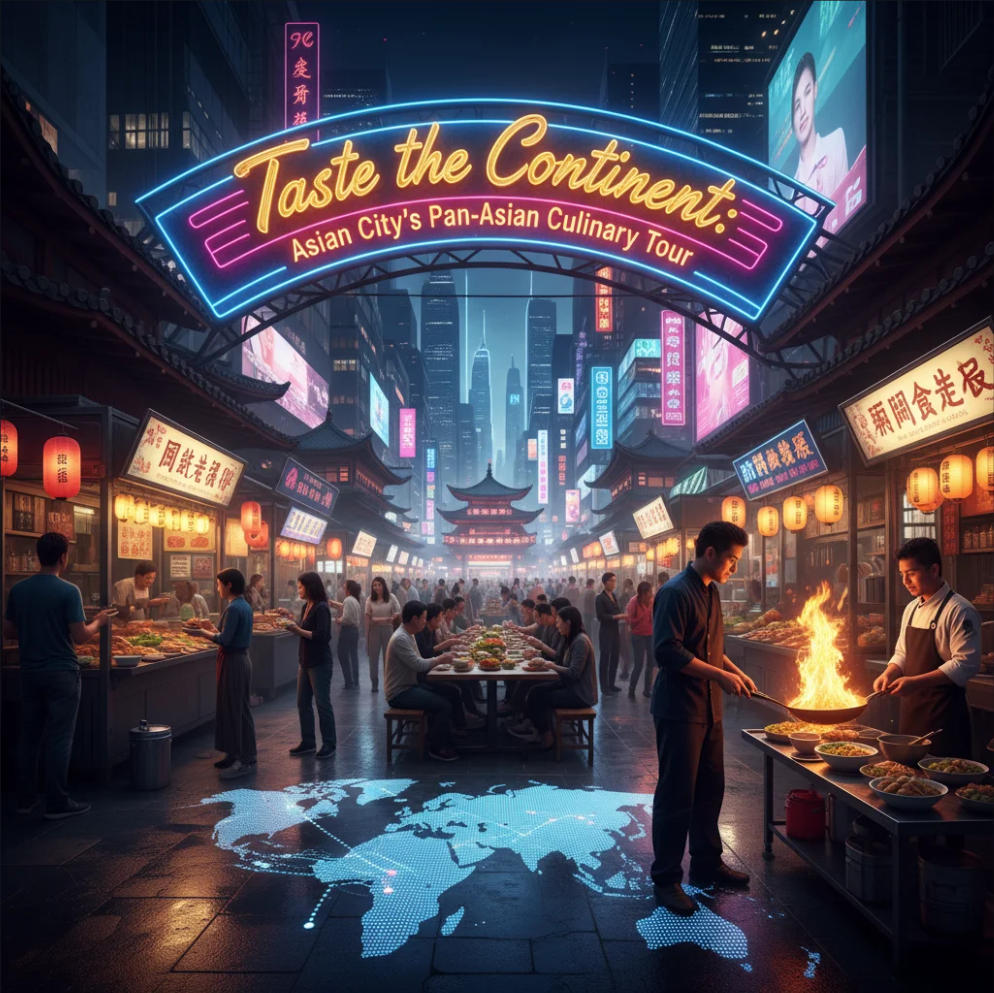
Vibrant street food scene in an Asian city, showcasing a variety of Pan-Asian dishes

Taste the Continent: Asian City’s Pan-Asian Culinary Tour

Food is the heart of culture, and few cities capture the rich diversity of Asia quite like [Asian City]. From bustling street markets to upscale restaurants, this city offers a culinary journey that spans the entire continent. Embarking on a Pan-Asian culinary tour allows food enthusiasts to explore a world of flavors without ever leaving the city.

Why a Pan-Asian Culinary Tour?

Asia’s culinary landscape is incredibly diverse, with each region offering unique ingredients, techniques, and traditions. A Pan-Asian tour highlights this diversity by bringing together:

  • Chinese Classics: From dim sum to Peking duck, savor centuries-old recipes perfected over generations.
  • Japanese Delights: Experience sushi, ramen, and kaiseki meals that emphasize precision and seasonal ingredients.
  • Southeast Asian Flavors: Taste the balance of sweet, sour, salty, and spicy in Thai, Vietnamese, and Malaysian dishes.
  • Korean Comforts: From barbecue grills to kimchi specialties, enjoy hearty meals rich in flavor.

By following this culinary route, travelers don’t just eat—they experience history, tradition, and the stories behind each dish.

Highlights of the Tour

  1. Street Food Adventures
    Wander through night markets and food stalls, sampling local snacks, skewers, and regional specialties. The vibrant atmosphere is part of the experience, blending food with culture.
  2. Fine Dining Experiences
    Enjoy Pan-Asian fusion restaurants that combine traditional flavors with modern techniques, offering unique and Instagram-worthy presentations.
  3. Cooking Classes and Workshops
    Many tours include hands-on experiences, teaching travelers to cook signature dishes from multiple Asian cuisines.
  4. Hidden Gems
    Venture off the beaten path to find family-run restaurants and neighborhood eateries, where authentic flavors and stories await.

Tips for an Enjoyable Culinary Tour

  • Plan Ahead: Map out your must-try dishes and restaurants to make the most of your journey.
  • Pace Yourself: Sampling small portions allows you to taste more without overindulging.
  • Embrace New Flavors: Be adventurous and try dishes you may not encounter at home.
  • Interact with Locals: Learning the story behind each dish adds depth to your experience.

Conclusion

A Pan-Asian culinary tour in [Asian City] is more than just a meal—it’s a sensory journey across the continent. From sizzling street food to elegant fine dining, every bite tells a story of culture, history, and passion. Whether you’re a seasoned foodie or a curious traveler, this tour promises unforgettable flavors and memories.

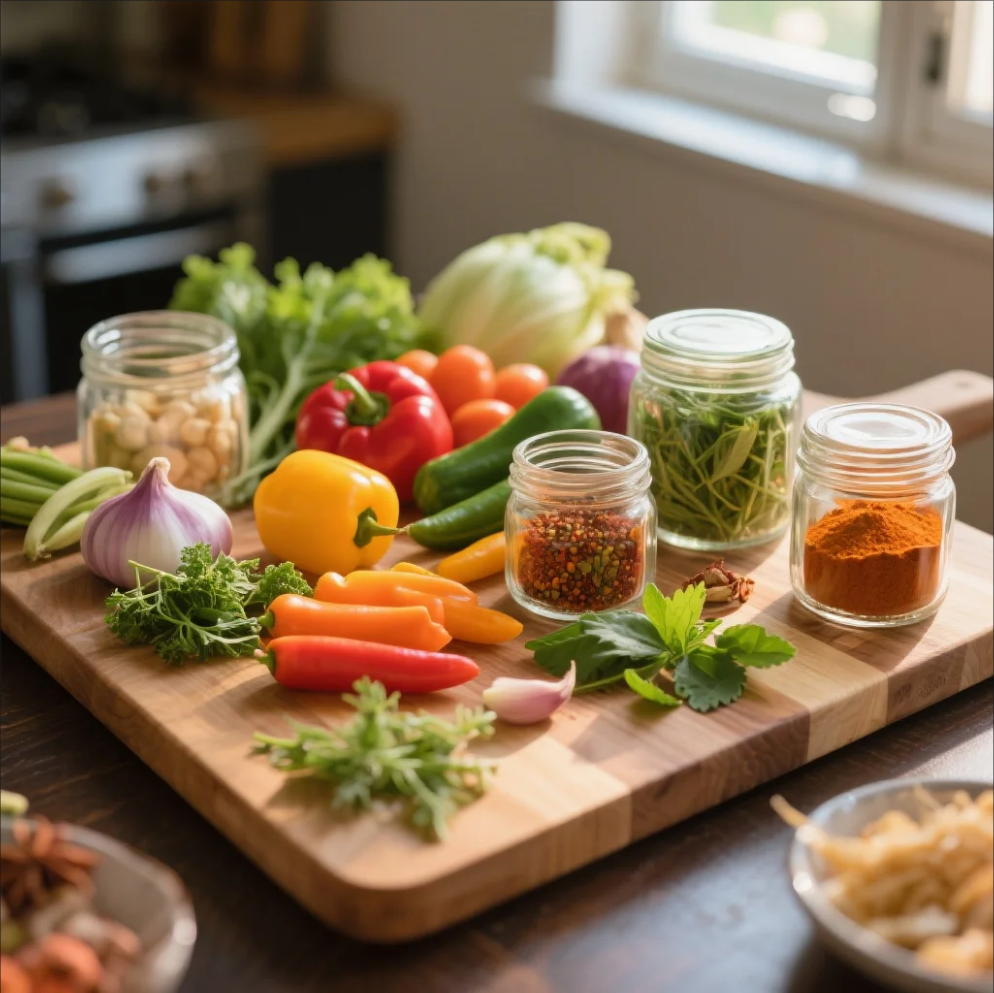
Fresh herbs, spices, and vegetables arranged for Asian cooking with vibrant colors

Fresh Ingredients, Bold Flavors: The Secret to Asian Cooking

Asian cuisine is one of the world’s most beloved culinary traditions, known for its vibrant colors, balanced flavors, and use of fresh ingredients. From street markets in Bangkok to fine-dining restaurants in Tokyo, the common thread across this diverse region is the emphasis on freshness and boldness. But what makes these two elements so essential—and how do they shape the way we experience Asian food?

In this article, we’ll explore the ingredients, cooking techniques, cultural influences, and evolving trends that define Asian cooking and reveal why its flavors continue to captivate food lovers everywhere.


1. Fresh Ingredients: The Heart of Asian Cooking

Seasonal and Local Sourcing

In many Asian countries, dishes are designed around what’s in season. Farmers’ markets and wet markets play a central role in daily life, where chefs and home cooks alike seek out just-harvested vegetables, herbs, and spices.

Examples:

  • Vietnamese pho often uses fresh basil, bean sprouts, and lime to complement the rich broth.
  • Japanese sushi relies on the catch of the day, showcasing the natural taste of fresh fish.

Herbs and Aromatics

Asian cooking wouldn’t be complete without its signature herbs and spices. Ingredients like ginger, garlic, lemongrass, cilantro, Thai basil, and chili are not only flavor enhancers but also carry health benefits.

Fresh aromatics are typically added at different stages of cooking to build depth. For instance, ginger and garlic may be sautéed early for a rich base, while fresh herbs are sprinkled at the end for brightness.


2. Bold Flavors: Striking the Perfect Balance

Asian dishes are celebrated for their harmonious blend of tastes. Unlike cuisines that focus on one dominant note, Asian cooking often balances multiple flavor profiles at once.

  • Sweet: From palm sugar in Thai curries to hoisin sauce in Chinese stir-fries.
  • Salty: Soy sauce, miso, or fish sauce provide the savory backbone.
  • Sour: Lime juice, vinegar, or tamarind add refreshing acidity.
  • Spicy: Chilies, wasabi, and peppercorns ignite the palate.
  • Umami: Fermented pastes, mushrooms, and broths deliver depth.

The secret is not overpowering one with the other, but rather creating layers of taste that unfold with each bite. For example, a bowl of Tom Yum soup hits all five notes—spicy, sour, salty, sweet, and umami—making it both complex and satisfying.


3. Cooking Techniques That Enhance Freshness and Flavor

Asian cooking is as much about technique as it is about ingredients. Many methods are designed to preserve the natural taste and texture of fresh foods while enhancing bold flavors.

  • Stir-frying: Quick and high heat keeps vegetables crisp and meats tender.
  • Steaming: Popular in China and Southeast Asia, steaming locks in nutrients and natural flavors.
  • Grilling: From Japanese yakitori to Korean barbecue, grilling imparts smokiness while letting marinades shine.
  • Fermentation: Kimchi, soy sauce, and miso showcase bold flavors created through patience and preservation.

These methods ensure that dishes remain light yet flavorful, making them appealing to a wide range of palates.


4. Cultural Influences on Asian Flavors

Asia is vast and diverse, with each country—and often each region—having its own approach to food.

  • China: Regional differences range from the fiery spice of Sichuan to the delicate flavors of Cantonese cuisine.
  • Japan: Precision and simplicity define dishes like sushi, sashimi, and ramen.
  • India: Bold spices and layered curries reflect centuries of trade and cultural blending.
  • Thailand & Vietnam: A focus on fresh herbs, zesty flavors, and street food culture.
  • Korea: Fermented foods, hearty stews, and communal dining traditions.

Despite their differences, all share the philosophy of balancing freshness with intensity, making the cuisine both grounded in tradition and endlessly innovative.


5. Health Benefits of Fresh and Bold Asian Cooking

Asian cooking isn’t just delicious—it’s also known for being nourishing. Fresh vegetables, lean proteins, and herbs are staples in many dishes. Combined with limited use of heavy dairy or processed ingredients, this makes it one of the healthier global diets.

  • Fresh herbs aid digestion and boost immunity.
  • Spices like turmeric and ginger have anti-inflammatory properties.
  • Fermented foods promote gut health.

It’s no wonder that many nutritionists highlight Asian food as both a flavorful and balanced dietary choice.


6. Modern Innovations in Asian Cooking

Today, chefs are blending traditional Asian methods with global trends to create bold new experiences. Examples include:

  • Fusion dishes like sushi burritos or ramen burgers.
  • Plant-based alternatives inspired by traditional recipes, appealing to health-conscious diners.
  • Fine dining reinterpretations of street food classics.

These innovations prove that while the secret to Asian cooking remains rooted in fresh ingredients and bold flavors, the possibilities for creativity are limitless.


7. The Secret Revealed

At its core, the magic of Asian cuisine lies in respecting ingredients and mastering balance. By using what’s fresh, highlighting bold flavors, and applying thoughtful techniques, Asian cooking transforms simple elements into extraordinary meals.

It’s not just about eating—it’s about experiencing culture, tradition, and innovation on a plate.