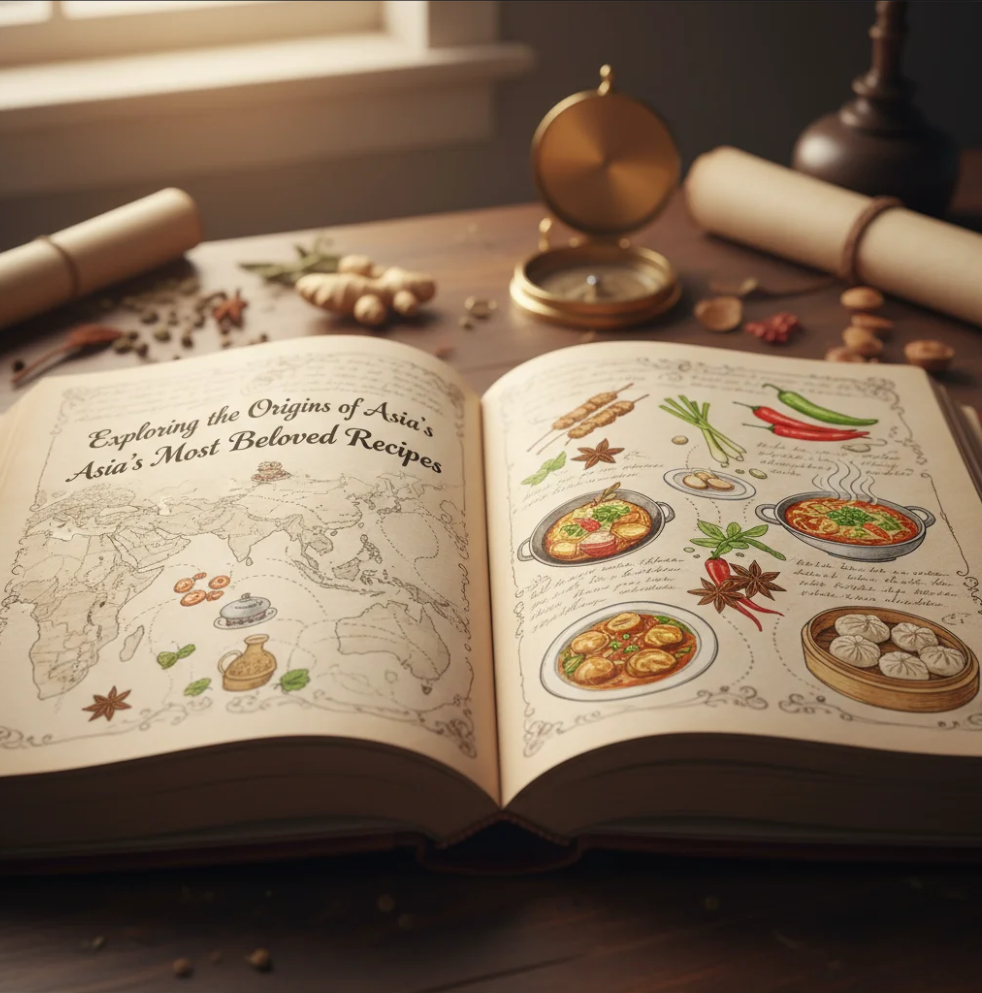
Exploring the Origins of Asia’s Most Beloved Recipes
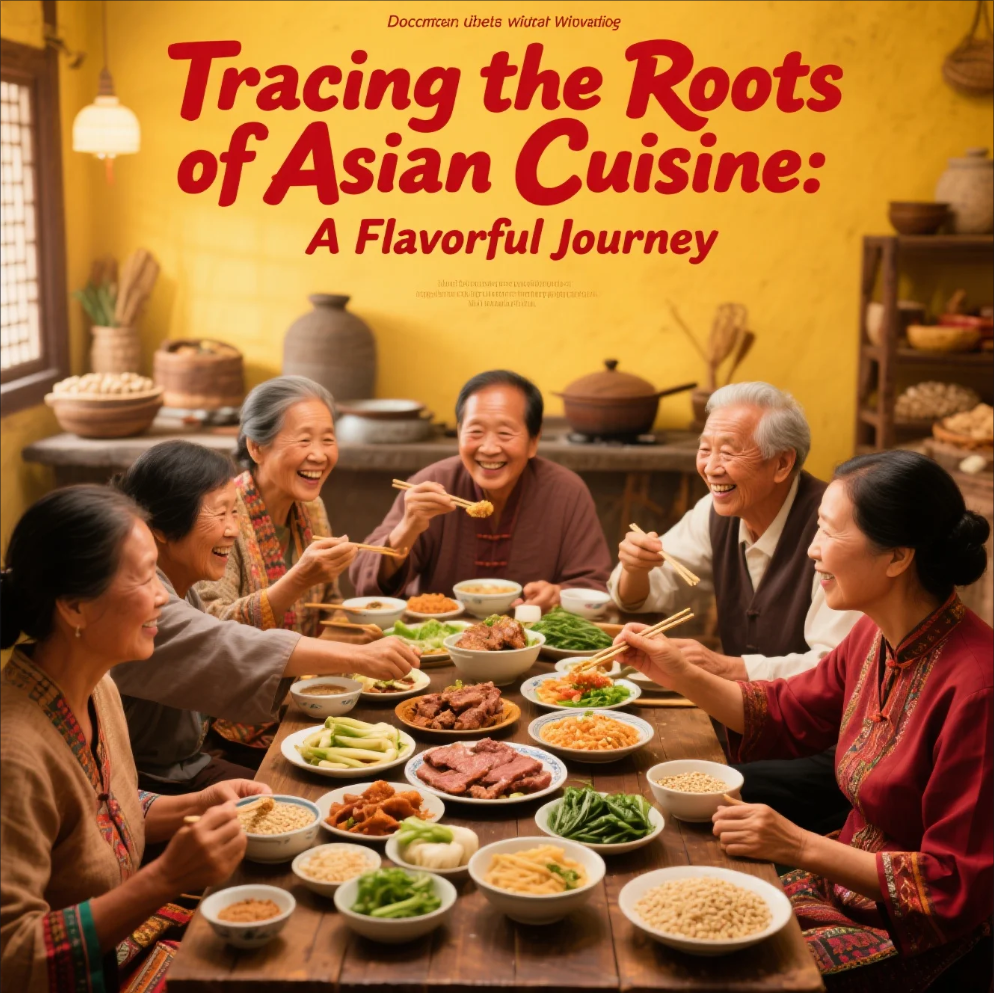
Asian cuisine is more than just food — it’s a cultural journey, a story told through spices, textures, and time-honored techniques. From the smoky kitchens of Thailand to the bustling street stalls of Vietnam and the serene tea houses of Japan, each dish reflects a blend of history, geography, and tradition.
In Exploring the Origins of Asia’s Most Beloved Recipes, we dive deep into the stories behind some of the region’s most iconic meals — dishes that have crossed borders, adapted to generations, and still hold a special place in the hearts (and taste buds) of millions.
🍲 1. Thailand’s Tom Yum — The Perfect Balance of Flavors
Originating in central Thailand, Tom Yum embodies the Thai philosophy of balance — sour, spicy, salty, and sweet. Made with lemongrass, kaffir lime, and galangal, this dish was historically served as a warming soup for fishermen returning from long days at sea. Today, it’s a global comfort food, loved for its invigorating kick and fragrant aroma.
🍜 2. Japan’s Ramen — From Street Stalls to Global Icon
Ramen may have Chinese roots, but it’s in Japan that this humble noodle dish found its soul. Introduced during the early 20th century, ramen became a symbol of post-war recovery and ingenuity. Every region developed its own variation — from Sapporo’s rich miso broth to Hakata’s creamy tonkotsu — creating a tapestry of flavor that continues to evolve.
🥟 3. China’s Dim Sum — A Culinary Tradition of Togetherness
Dating back to the Silk Road, Dim Sum began as small snacks served to weary travelers. Over centuries, it transformed into an art form representing hospitality and community. Each bite-sized creation tells a story of craftsmanship and family heritage — a culinary ritual still enjoyed in bustling tea houses across the world.
🍛 4. India’s Curry — A Legacy of Spice and Empire
Few dishes have traveled as far and wide as Curry. Originating from ancient spice blends, it evolved through trade, colonial influence, and cultural exchange. From India’s fragrant masalas to Japan’s mild curry rice, its adaptability has made it one of Asia’s most enduring culinary exports.
🍡 5. Vietnam’s Pho — Simplicity in a Bowl
A symbol of national pride, Pho was born during French colonial times when Vietnamese cooks adapted beef broth with local herbs and rice noodles. It’s more than a dish — it’s a morning ritual, a comfort during hard times, and a reflection of Vietnam’s ability to blend resilience with creativity.
Each of these recipes carries centuries of flavor and meaning. To explore Asian cuisine is to explore the continent’s heart — a mosaic of cultures connected by their shared love for food, family, and tradition.