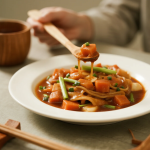
Spice has a reputation for intensity—sweaty brows, burning tongues, and glasses of milk at the ready. But spice doesn’t have to hurt to be enjoyable. Enjoying spicy food without heat is about understanding flavor, balance, and technique. Across global cuisines, spice is often used not to overwhelm, but to enhance aroma, depth, and character.
This is how to enjoy spice—without fear.
Spice Is Not the Same as Heat
One of the biggest misconceptions in cooking is equating spice with heat. Heat comes from compounds like capsaicin, while spice refers to a wide range of aromatic ingredients.
Spices that add flavor without intense heat include:
- Cumin
- Coriander
- Cardamom
- Cinnamon
- Star anise
- Paprika (sweet or smoked)
These ingredients build complexity without setting your mouth on fire.
How Cultures Balance Spice and Flavor
Many traditional cuisines prioritize balance over burn.
Southeast Asia
Herbs like lemongrass, galangal, and kaffir lime leaves provide brightness and fragrance, while chili is used sparingly for contrast rather than dominance.
Indian Cuisine
Layered spices are toasted and blended to create warmth and depth. Heat is often secondary to aroma and richness.
Middle Eastern Cooking
Spices such as sumac, za’atar, and allspice emphasize tang and earthiness rather than fire.
These traditions show that spice can be expressive without being aggressive.
Techniques for Reducing Heat Without Losing Flavor
You don’t need to eliminate spice—just control it.
Control the Chili Source
- Remove seeds and membranes from chilies
- Use dried or smoked chilies for flavor over heat
- Substitute fresh chili with chili-infused oil
Balance With Fat and Acidity
Fat mellows heat, while acidity brightens flavor.
- Yogurt, coconut milk, or butter soften spice
- Lemon juice or vinegar sharpens taste without heat
Layer Slowly
Add spices gradually and taste as you go. This builds depth without accidental overheat.
Ingredients That Enhance Flavor Without Burn
Some ingredients naturally boost complexity while keeping heat low:
- Garlic and shallots
- Ginger (warming, not burning)
- Turmeric
- Fennel seeds
- Nutmeg
These elements create warmth and richness that feel comforting rather than confrontational.
Why Mild Spice Can Be More Satisfying
Overwhelming heat can numb the palate. Mild, balanced spice allows you to:
- Taste individual ingredients
- Appreciate texture and aroma
- Enjoy longer meals without fatigue
In many cuisines, restraint is a mark of mastery.
The Psychology of “Fearless” Spice
Learning to enjoy spice without overheat builds confidence in the kitchen and at the table. When heat is controlled, spice becomes approachable—even for those who once avoided it entirely.
This shift changes spice from a challenge into a pleasure.
Modern Cooking Trends Embrace Balance
Today’s chefs increasingly focus on:
- Flavor clarity over shock value
- Cultural authenticity
- Inclusive dining experiences
Spice without fear aligns perfectly with modern food culture, where enjoyment matters more than endurance.
Final Thoughts: Flavor Over Fire
Spice should invite, not intimidate. Enjoying spicy food without heat is about embracing aroma, warmth, and balance rather than chasing extremes. When used thoughtfully, spice becomes a tool for storytelling—one that enhances every bite without overwhelming the senses.
Great flavor doesn’t need to burn to be bold.