
Asian dining is more than just enjoying delicious food — it’s an experience deeply rooted in culture, respect, and tradition. Across Asia, every meal tells a story, with unique customs that reflect centuries of heritage. Understanding these traditions not only enriches the dining experience but also shows respect when sharing meals in different cultural settings.
1. The Communal Spirit of Asian Meals
In many Asian cultures, dining is a communal affair. Dishes are placed in the center of the table and shared by everyone, symbolizing unity and togetherness. Whether it’s dim sum in China, hotpot in Korea, or shared curries in India, the focus is always on enjoying food collectively rather than individually.
2. Chopsticks, Hands, and Spoons
Dining etiquette varies across Asia:
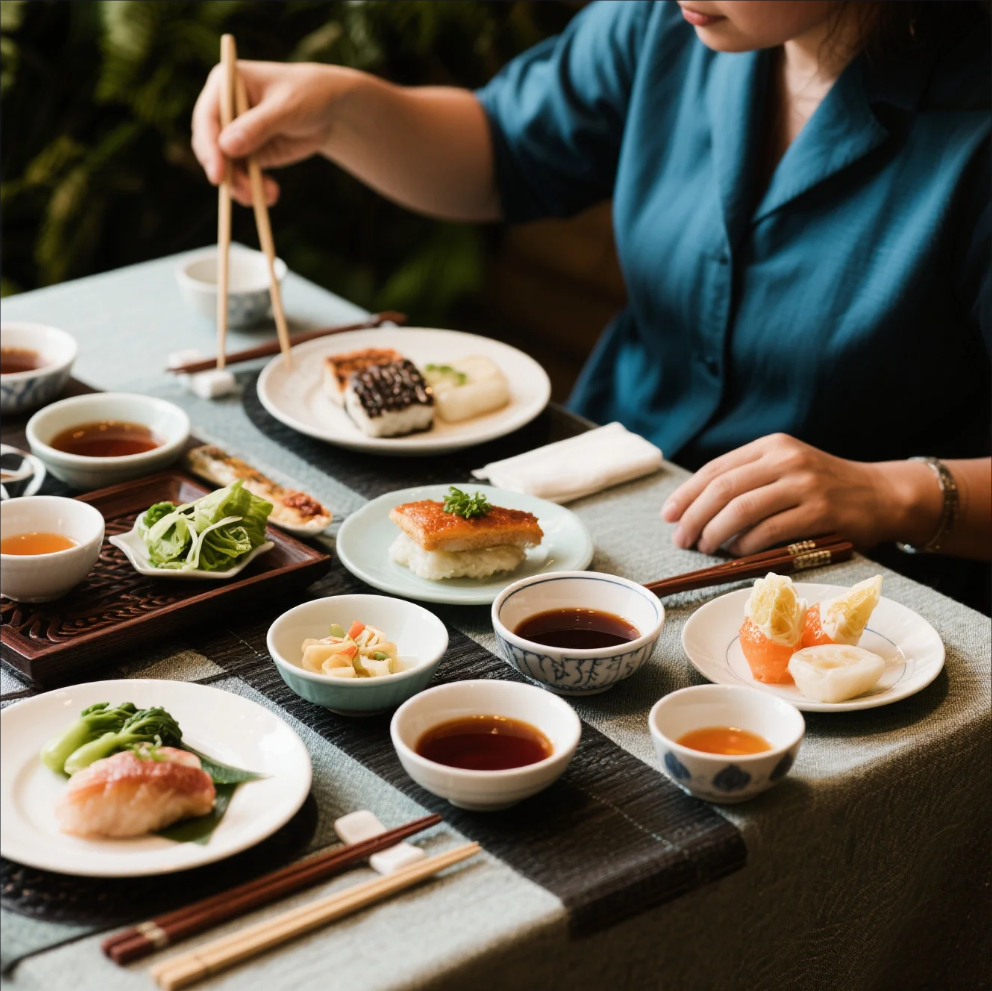
- China, Japan, Korea – Chopsticks are the primary utensil, and there are rules such as never sticking chopsticks upright in rice, as it resembles funeral offerings.
- India, Indonesia, Malaysia – Eating with the right hand is customary, as the left is considered impolite for food handling.
- Thailand, Vietnam – Spoons and forks are common, with the fork mainly used to push food onto the spoon.
3. Respect for Elders
Age and hierarchy play a big role in Asian dining traditions. In China and Korea, the eldest or most senior person begins eating first, and younger members often serve food and drinks to show respect.
4. Rituals and Symbolism
Food in Asia often carries symbolic meaning. Noodles in Chinese culture represent longevity, while fish is a sign of prosperity. In Japan, carefully arranged bento boxes reflect balance and harmony.
5. Hospitality and Generosity
Asian dining emphasizes hospitality. Guests are often encouraged to eat more, with hosts refilling bowls or plates as a sign of generosity. Refusing food too quickly may be seen as impolite.
6. Silence, Gratitude, and Mindfulness
While some cultures embrace lively conversation at the table, others emphasize mindfulness. In Japan, saying “Itadakimasu” before eating and “Gochisousama” afterward expresses gratitude for the meal, the cook, and nature’s bounty.
Conclusion
The art of Asian dining is about respect, mindfulness, and shared experiences. By appreciating these traditions and practicing proper etiquette, one can enjoy not only the flavors of Asia but also its rich cultural heritage.